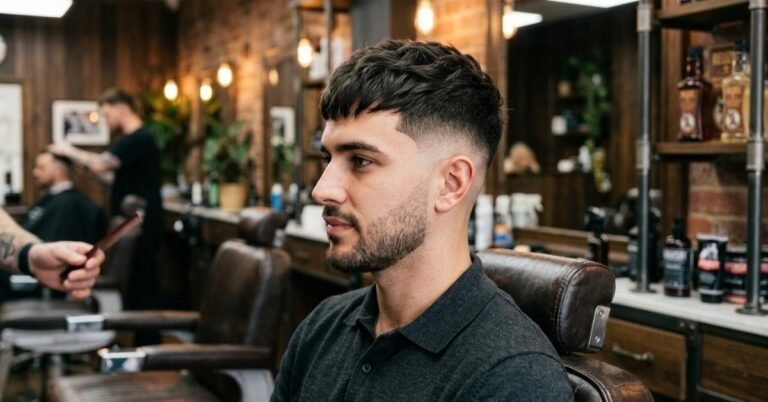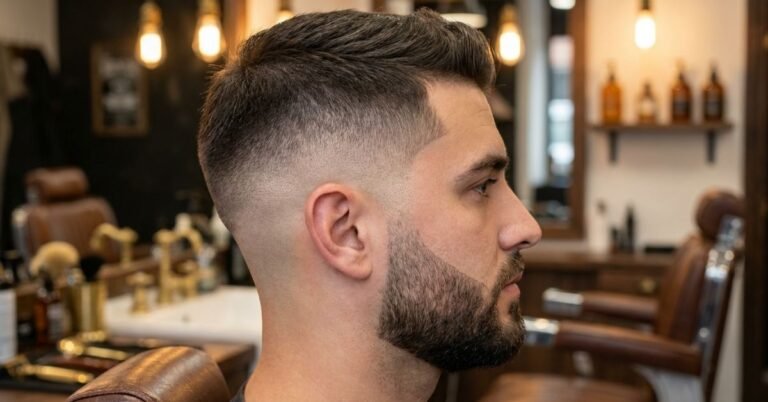
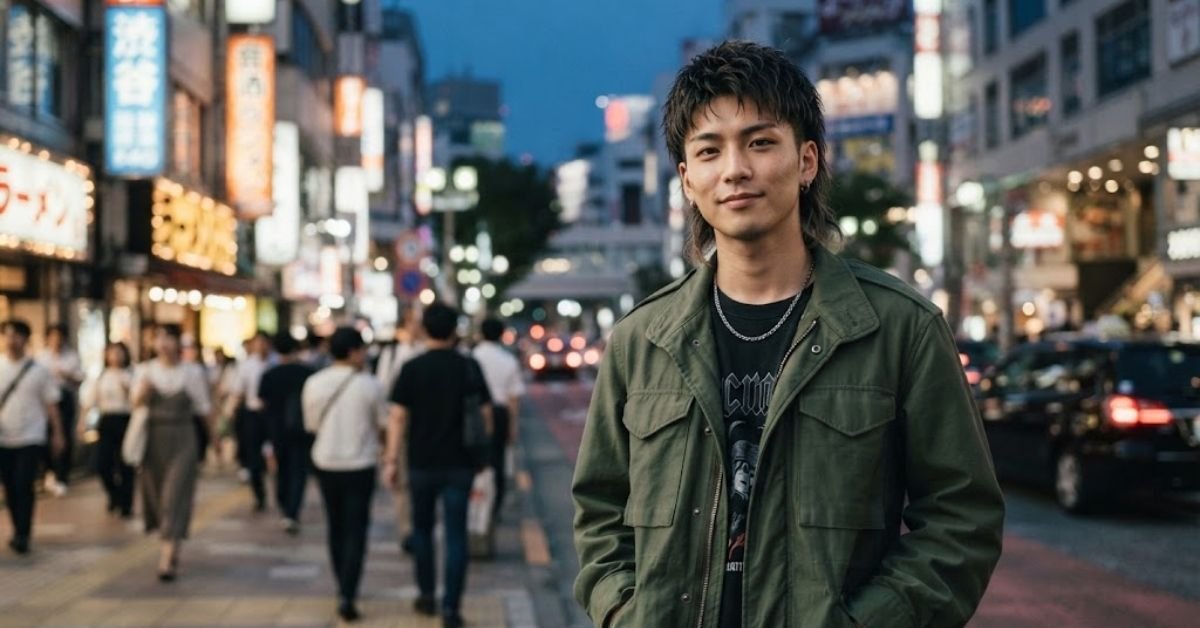
Top 10 Asian Mullet Hairstyle 2029
Want a haircut that looks effortless but still turns heads? The Asian mullet hairstyle is your answer. Short in the front, long in the back, and full of movement everywhere in between.
This guide walks you through the ten biggest mullet variations shaping Asian hair trends right now, and where they’re heading as we move toward 2029. You’ll also get real styling tips, product picks, and face shape advice so you don’t just copy a photo, you actually pull the look off.
No jargon. No filler. Just what you need to know before you sit in that barber chair.
Asian Mullet Hairstyle – Complete Guide to Modern Styles & Care
The Asian mullet isn’t the same mullet your uncle wore in 1985. It’s been reworked with soft layers, face-framing pieces, and a lot more shape. Think K-pop stages and Tokyo streets, not classic rock album covers.
What makes this haircut click with thick hair, wavy hair, and even fine strands is its balance. You get crown volume up top, tapered sides, and length left at the nape. It’s structured but never stiff.
This is also why the style keeps climbing search charts under terms like Asian mullet haircut and modern haircut for young professionals and students alike. It works in the office, at school, and on a night out. One cut, three moods.
Top 10 Asian Mullet Hairstyle
Before we go deep into each one, here’s the quick list so you know what’s coming. Every version below plays with hair texture, length, and layered haircut technique a little differently.
- Korean Asian Mullet
- Japanese Soft Mullet
- Asian Layered Mullet
- Asian Middle-Part Mullet
- Asian Fluffy Mullet
- Asian Straight Mullet
- Asian Wolf Mullet
- Asian Taper Mullet
- Asian Fringe Mullet
- Asian Shag Mullet
Pick one that matches your face shape and how much daily styling you’re willing to do. That second part matters more than people admit.
Korean Asian Mullet
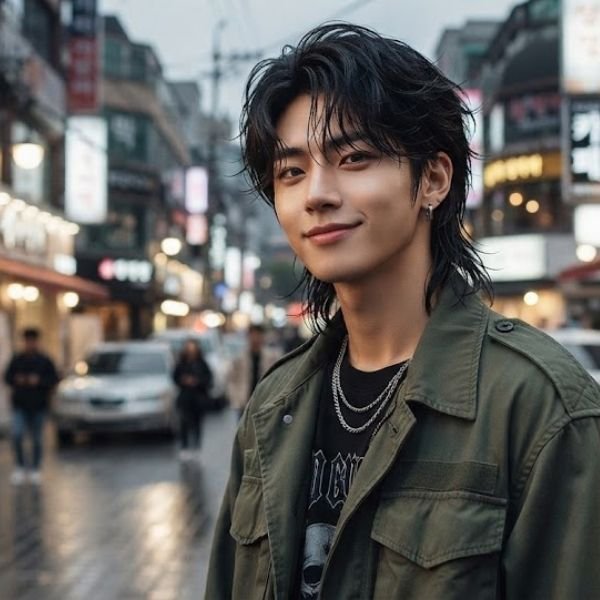
The Korean Asian mullet leans soft and romantic. Think K-pop idols on stage under bright lights. The front sits with curtain bangs or a light fringe, while the back carries noticeable length.
This version thrives on natural texture. If your hair already waves a little, you barely need product. A quick scrunch with mousse and you’re done for the day.
It’s become one of the most searched Korean mullet haircut styles for a reason. It reads young, a bit edgy, but still office appropriate once you tone down the volume.
Japanese Soft Mullet
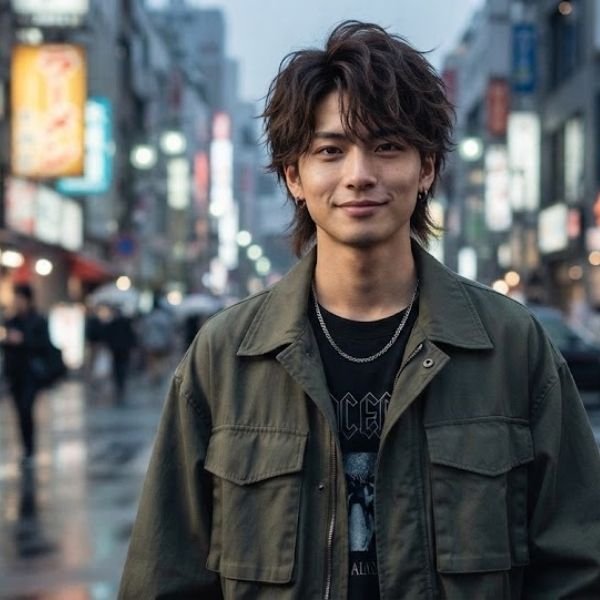
Where the Korean version leans dramatic, the Japanese soft mullet goes quieter. It’s built around soft layers and a rounder overall shape, closer to a shag haircut than a rocker cut.
You’ll notice less contrast between the short and long sections here. The transition feels gradual, almost invisible. That’s intentional. Japanese hairstyling often favors subtlety over shock value.
This makes it a strong pick if you want a Japanese mullet haircut that still feels professional. Pair it with a light texture spray and you get movement without looking undone.
Asian Layered Mullet
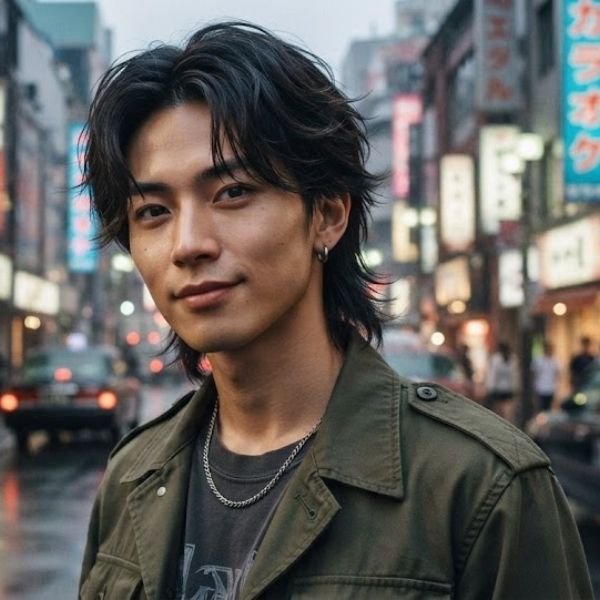
This one’s all about the layered crown. Multiple layers stack from the top down, giving the hair lift right where you need it most, near the roots.
Fine hair benefits massively from this cut. Layers create the illusion of thickness even when the strand count says otherwise. It’s a trick stylists have used for decades, just applied to mullet shaping now.
If your goal is root volume without a full-on perm, this Asian layered mullet delivers. A round brush and blow dryer combo is really all you need most mornings.
Asian Middle-Part Mullet
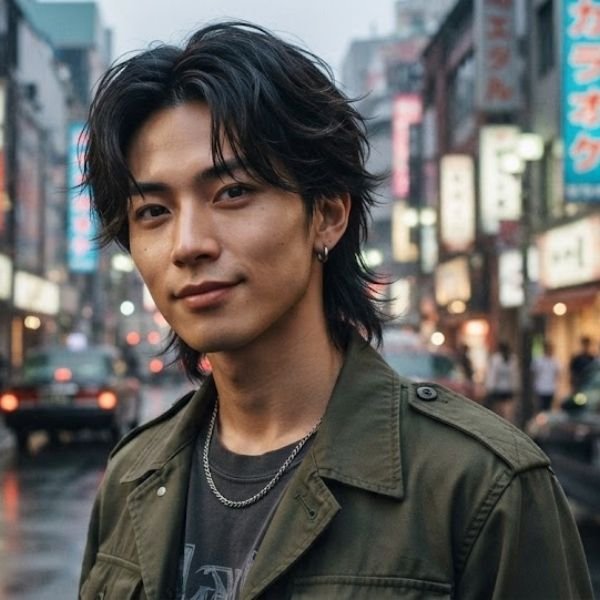
The middle-part hairstyle meets mullet shape here, and honestly, it’s a strong combo. The part draws a clean line down the center, letting face-framing layers fall naturally on both sides.
This cut suits an oval face particularly well, though a heart-shaped face can pull it off too, especially with a little extra fringe near the temples. The middle part softens angular features without hiding them.
Styling stays simple. Comb the part with your fingers while hair’s still damp, add a touch of cream, and let it air dry. Zero fuss, full result.
Asian Fluffy Mullet
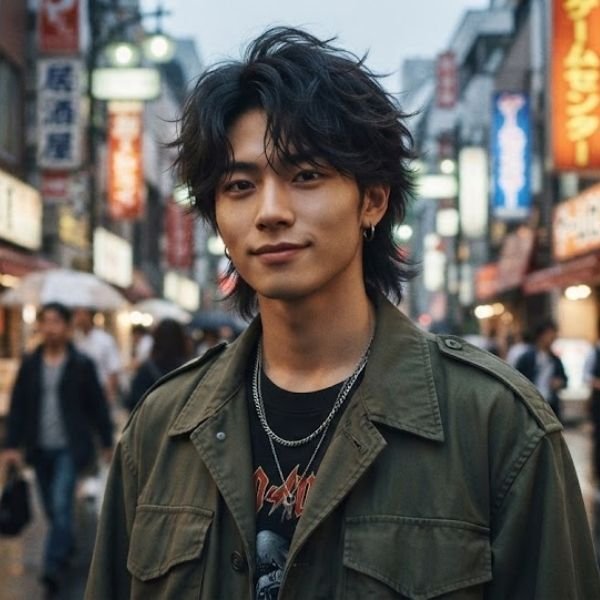
Ever seen someone with hair that looks like it has a mind of its own, in a good way? That’s the Asian fluffy mullet. It’s built around airy layers and deliberate volume, almost like the hair is floating slightly off the scalp.
A diffuser attachment on your blow dryer is the secret weapon here. It scrunches hair upward while drying, boosting that fluffy, lightweight look without heat damage from direct airflow.
This style photographs incredibly well, which explains its popularity on social media. But fair warning, it needs humidity control. On damp days, a light-hold spray keeps things from going flat.
Asian Straight Mullet
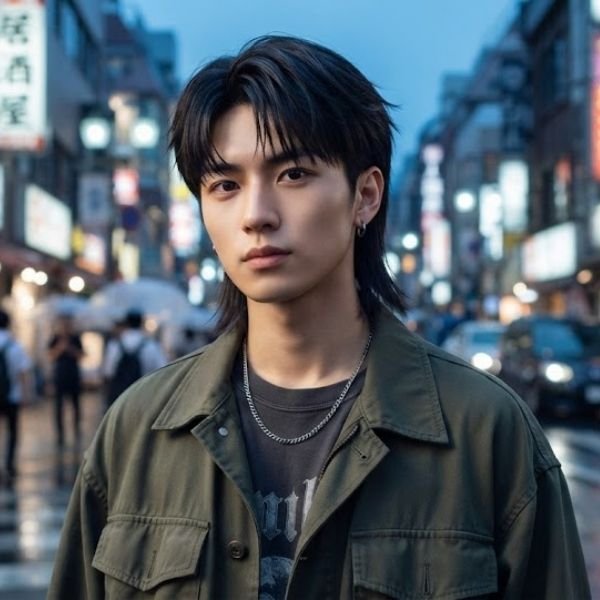
Not everyone wants waves and fluff. The Asian straight mullet keeps things sleek. Sharp, clean lines replace the choppy texture you’d see in fluffier versions.
Straight hair is obviously the easiest starting point, but a straightener can get wavy or curly hair there too, with a heat protectant spray first, always. This version has a more polished, almost editorial feel.
It’s a favorite among people who want a trendy hairstyle that still reads mature. Great for creative offices where personality matters but the look still needs to feel put together.
Asian Wolf Mullet
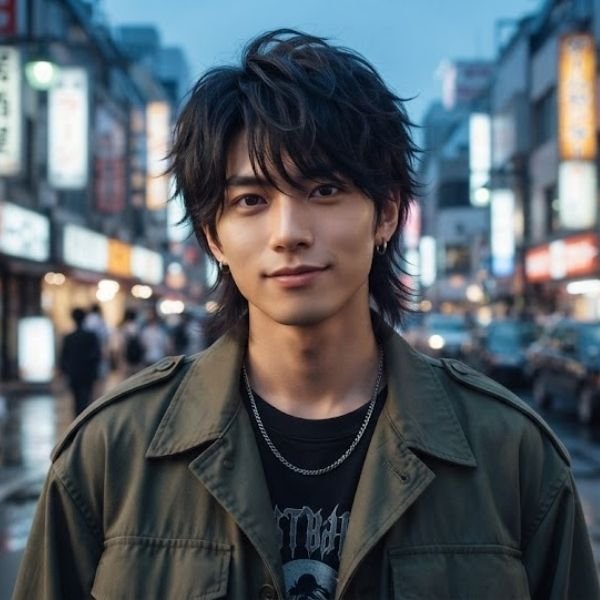
Technically a cousin of the wolf cut, this variant blends choppy, spiky texture on top with the classic mullet length at the back. It’s edgier than most entries on this list.
Choppy layers throughout the crown give it that slightly messy, lived-in shape. Texture spray or a matte wax worked through with fingers is really the whole styling routine.
If you’re drawn to an Asian wolf cut but want it slightly tamer, ask your stylist to soften the spikes near the crown while keeping the back length intact. Best of both worlds.
Asian Taper Mullet
Sides matter just as much as the back here. The Asian taper mullet uses a low taper or mid taper fade on the sides, creating sharp contrast against the longer top and back.
This is the most barbershop friendly version on the list, and it’s popular with men who want something structured. The tapered sides keep things neat while the length up top still gives you a mullet silhouette.
Maintenance is a bit higher since fades grow out faster than layers. Expect a touch up every three to four weeks to keep that clean edge.
Asian Fringe Mullet
Bangs change everything about a haircut, and the Asian fringe mullet proves it. A full or wispy bangs front section adds instant personality while the mullet shape handles the rest.
This works beautifully for a round face, since the fringe breaks up length and adds definition across the forehead. It also happens to be one of the lowest maintenance fringe styles, since mullet layers hide regrowth well.
Keep scissors handy for quick trims between salon visits. Fringe grows fast, and even a few extra millimeters change how it sits on your brow.
Asian Shag Mullet
The shag haircut and mullet were basically made to merge, and this style proves it. Heavy feathered ends and choppy texture run throughout, giving a retro, almost rock inspired finish.
This version pairs naturally with medium hair length, not too short, not too long. It gives your stylist enough to work with for proper feathered hair shaping.
Expect a slightly bigger silhouette than the sleeker cuts on this list. That’s the point though. It’s meant to look a little wild, a little rock and roll, in the best way.
How to Choose the Right Asian Mullet for Your Face Shape
Not every mullet suits every face, and that’s worth saying plainly. An angular face often looks sharper with softer, rounder layering to balance things out. Meanwhile, a rounder face benefits from added height and crown volume to elongate the overall shape.
Facial symmetry isn’t something you need to obsess over though. Most stylists adjust fringe length and side layering on the spot during your appointment. Bring a photo, but stay open to small tweaks.
If you’re unsure, ask your barber directly which of the ten styles above would flatter your face shape best. A five minute conversation before the scissors come out saves a lot of regret later.
Asian Mullet Styling
Getting the cut right is half the job. Styling it daily is the other half, and honestly, it’s the part most people rush through. Start with damp, not soaking wet, hair.
Apply a small amount of hair mousse or hair cream through the mid lengths, avoiding the roots if you want lift there instead. Then blow dry using a round brush, lifting at the crown and letting the back fall naturally.
Finish with a light texture spray for grip, especially if your hair’s on the finer side. This one step separates a flat, sad mullet from one with actual bounce and shine.
Soft Texture Asian Mullet
There’s a specific subgroup worth calling out separately, the soft texture Asian mullet. This isn’t a cut so much as a finishing philosophy applied across several of the styles above.
Instead of sharp, choppy layers, everything gets softened at the edges. Scissors work at an angle rather than straight across, which removes bulk without leaving harsh lines. The result feels gentler, more wearable day to day.
This approach suits workplace hairstyle needs particularly well. You still get mullet shape and personality, minus anything that might read as too bold for a client meeting.
Easy Asian Mullet Care
Good news, the Asian mullet isn’t demanding once you settle into a routine. Regular trims every six to eight weeks keep the shape from growing shapeless, especially around the crown layers.
Use shampoo and conditioner suited to your hair texture, and don’t skip the heat protection spray before any blow drying or straightening session. A wide-tooth comb on wet hair prevents unnecessary breakage too.
This qualifies as a genuinely low maintenance haircut compared to styles needing constant salon visits. A little consistency at home goes a long way toward healthy hair that still looks intentional.
Common Mistakes People Make With This Cut
A lot of people ask for a mullet and walk out disappointed, not because the cut’s wrong, but because of small missteps along the way. Skipping the consultation is one big one. Every face and hair type needs slightly different layering.
Overusing heat tools without protection is another. That fried, brittle texture ruins even the best layering job within months. And going too long between trims lets the shape collapse into something closer to just long, messy hair.
Talk openly with your stylist about your daily routine and how much time you’re realistically willing to spend styling. That honesty shapes a cut you’ll actually maintain.
Where This Trend Is Heading
Predicting exact styles for 2029 with certainty isn’t realistic, trends shift fast and no one has a crystal ball. But based on where Korean hairstyles and Japanese hairstyles are trending now, expect softer layering, less dramatic contrast between lengths, and more natural movement over rigid shaping.
K-Pop and social media trends will keep pushing this cut into new territory, likely blending it further with curtain fringe and feathered hair techniques already gaining traction. Watch idol comebacks and street style photos out of Seoul and Tokyo for the earliest signals.
If you want to stay ahead, follow a stylist who actively posts client transformations rather than just trend roundups. Real cuts on real heads tell you more than any forecast.
FAQs
Is the Asian mullet good for thick hair?
Yes, thick hair actually handles layering beautifully, giving the cut plenty of texture without added product.
Can I get an Asian mullet with curly hair?
Absolutely, curly hair adds natural volume that pairs well with most variations, especially the fluffy and shag versions.
How often should I trim a mullet to keep its shape?
Every six to eight weeks works for most people, though taper versions may need touch ups sooner.
Does this haircut suit a professional workplace?
The soft texture and middle part versions read as polished enough for most offices, especially with subtle styling.
What’s the easiest Asian mullet to maintain at home?
The straight mullet and soft texture versions need the least daily effort, just air dry and a touch of cream.
Do I need a diffuser for styling?
Not always, but it helps significantly with fluffy or wavy textures if you want lift without frizz.