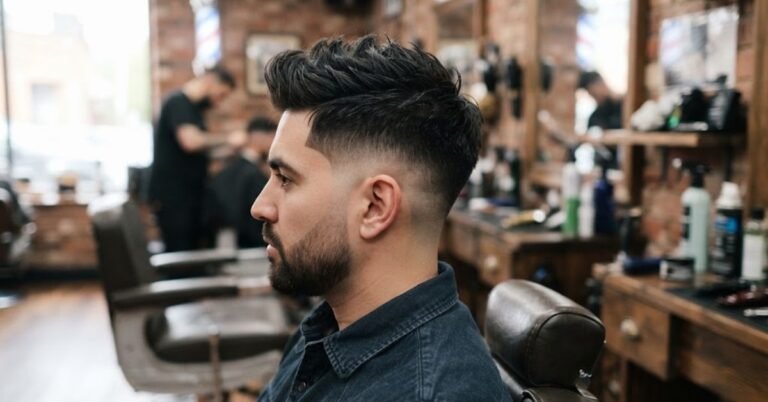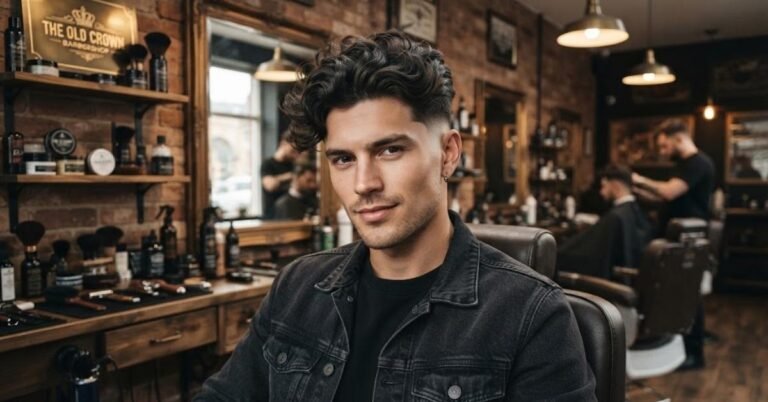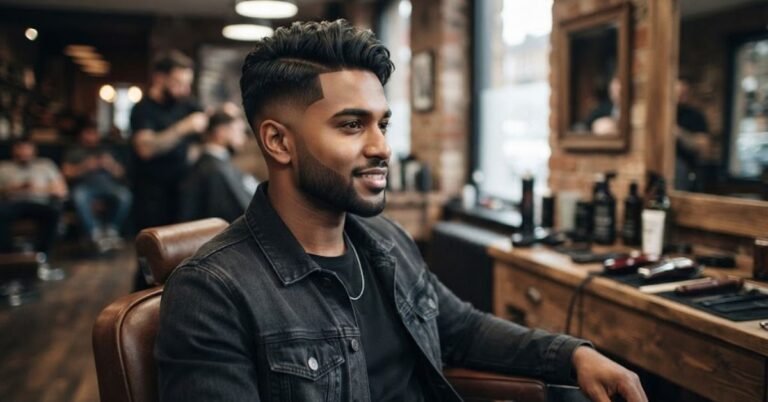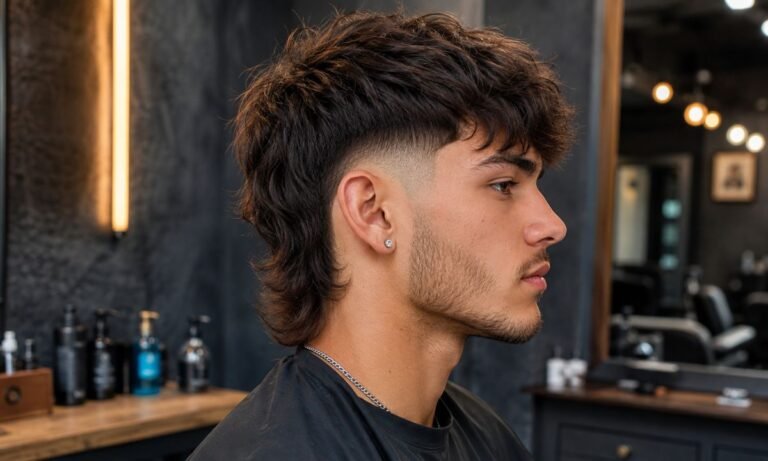
Top 36 Quiff Haircut Styles for Men in 2026
Quiff Haircut: Complete Guide for Men (2026)
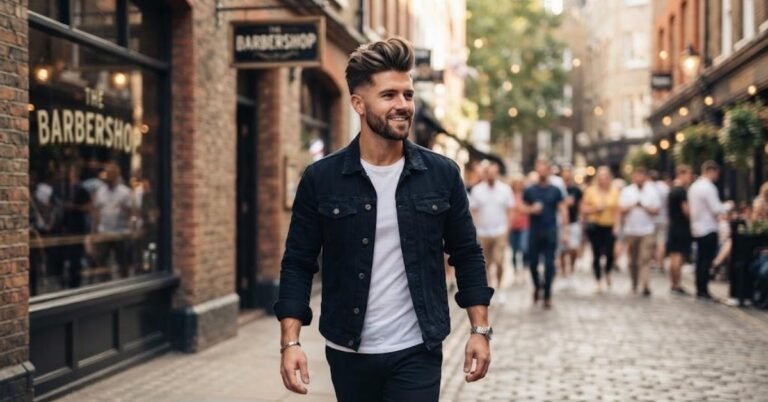
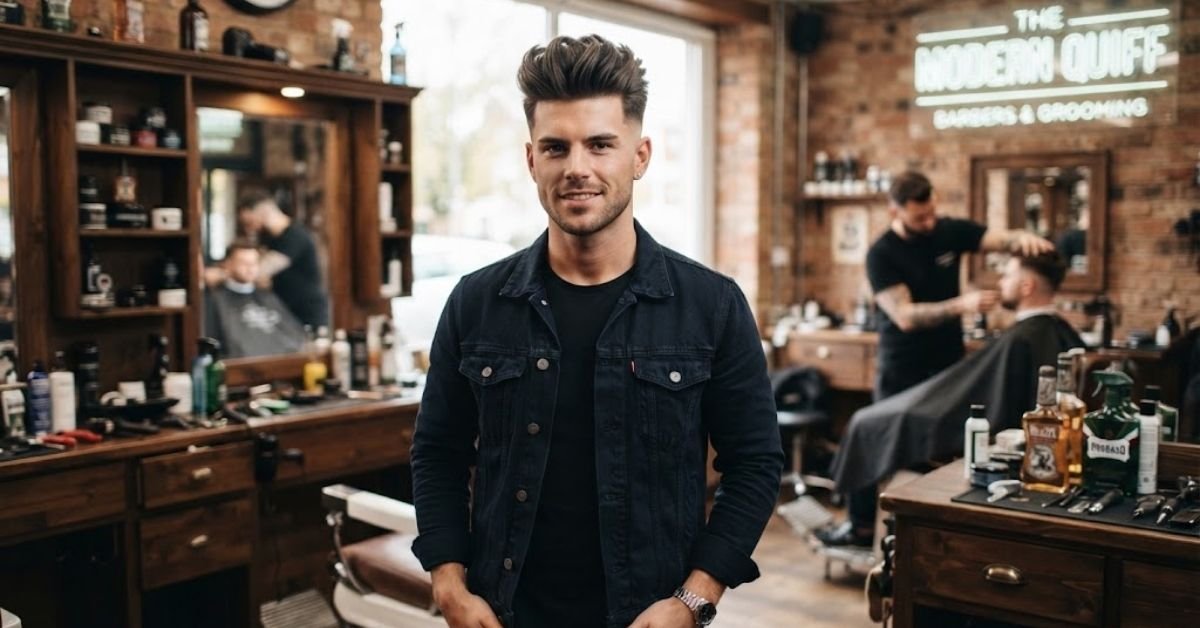
The quiff haircut has stayed at the top of men’s grooming trends for decades, and 2026 is no different. It works on almost any face shape, pairs with every hair type, and can shift from boardroom sharp to weekend casual with a change of product.
This guide breaks down 36 quiff variations, explains how to ask your barber for one, and shows you exactly how to style it at home.
Quick Answer
A quiff haircut features short, tapered or faded sides paired with longer hair on top that is brushed up and slightly back to create height and volume. It sits between a pompadour and a comb over in terms of structure, offering a style that is easier to maintain than a pompadour but bolder than a basic side part. Popular 2026 versions include the textured quiff, skin fade quiff, and low maintenance quiff.
What Is a Quiff Haircut?
A quiff is a men’s hairstyle defined by longer hair on top, usually four to six inches at the front, that is combed upward and back to build height above the forehead. The sides and back are cut shorter, often with a taper or fade, which creates a clear contrast between the top and the sides. Unlike a pompadour, which is combed straight back with heavy volume throughout, a quiff usually leans slightly forward, giving it a more relaxed and modern silhouette.
The style traces back to the 1950s rockabilly scene and has been reinvented by every generation since, from punk and new wave in the 1980s to the polished barbershop version popular today. Its defining traits are lift at the front, a clean line where long hair meets short sides, and enough texture to hold shape without looking stiff.
Why Is the Quiff Haircut Popular?
The quiff remains a go-to cut because it flatters a wide range of face shapes and hair types while staying easy to adjust for different settings. A few reasons it continues to dominate barbershop requests in 2026:
- It adds height and structure, which balances rounder or wider face shapes.
- It works with straight, wavy, curly, and thick hair with only small styling adjustments.
- It scales from formal (tight and sleek) to casual (messy and textured) using the same base cut.
- It pairs naturally with fades, undercuts, and beards for a complete look.
- Maintenance is simple compared to a full pompadour, since the top only needs product and a few minutes of styling.
Top 36 Quiff Haircut Styles for Men in 2026
1. Classic Quiff Haircut
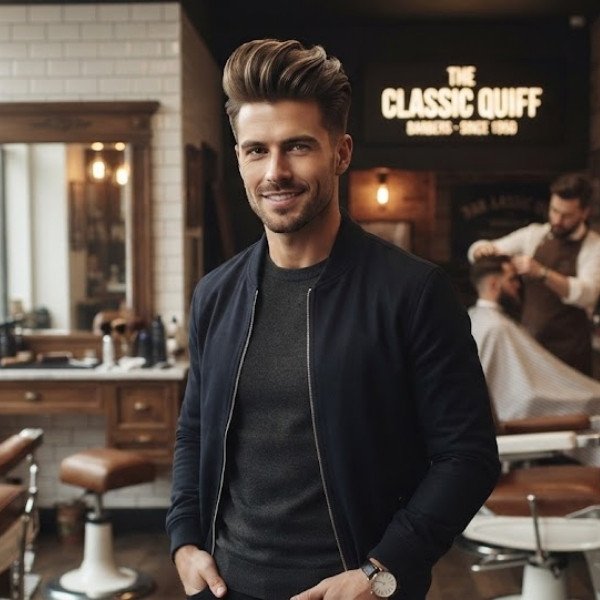
The classic quiff keeps the top around four inches, combed straight up and slightly back, with short, tapered sides. It is the most versatile version of the cut and works well for office settings, first dates, or everyday wear without demanding heavy styling time.
2. Modern Quiff Haircut
The modern quiff adds a disconnected undercut or skin fade beneath a textured, piece-y top. Barbers often point-cut the ends to add movement, giving the style a sharper, more editorial finish than the traditional version.
3. Short Quiff Haircut
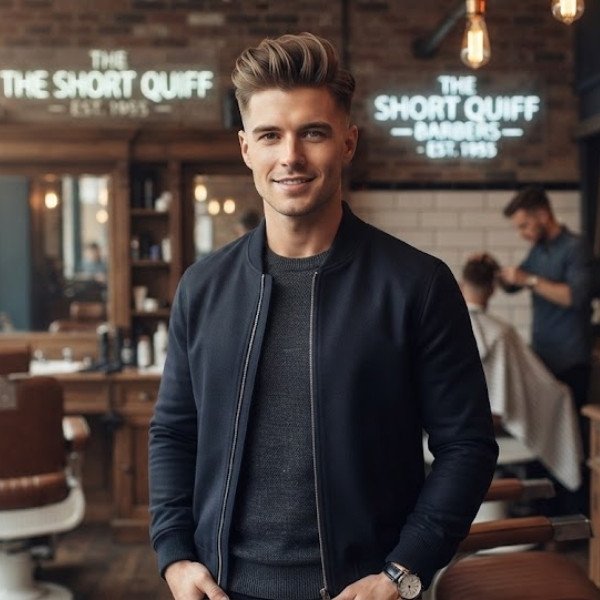
A short quiff trims the top to roughly two to three inches, giving just enough length to lift and shape without heavy product. It suits men who want a low-maintenance option that still reads as intentional.
4. Long Quiff Haircut
For men who prefer more volume, a long quiff keeps five to seven inches on top, creating dramatic height and a swept-back silhouette. This version needs a strong hold product and a blow dryer to stand up correctly.
5. Textured Quiff Haircut
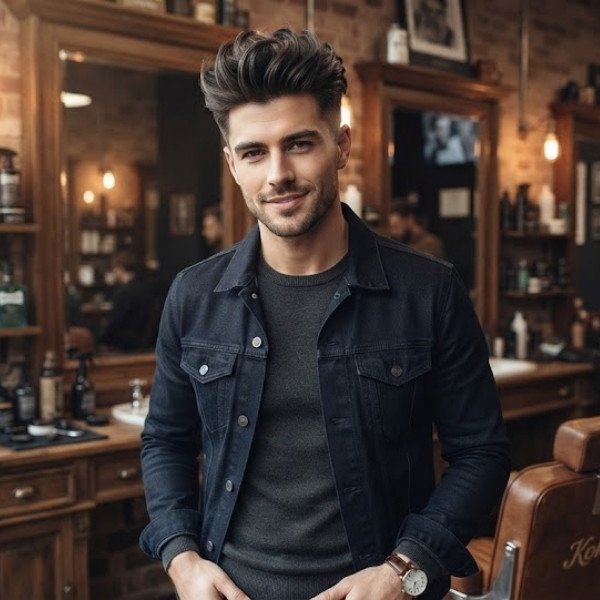
A textured quiff uses layered cutting and a matte finish product to create separation between strands instead of a smooth, glossy top. It is one of the most requested 2026 styles because it looks natural rather than overly styled.
6. Messy Quiff Haircut
The messy quiff takes the same base cut and finishes it with fingers instead of a comb, pushing pieces in different directions for a relaxed, undone look. A sea salt spray or light clay keeps it in place without looking greasy.
7. Taper Fade Quiff
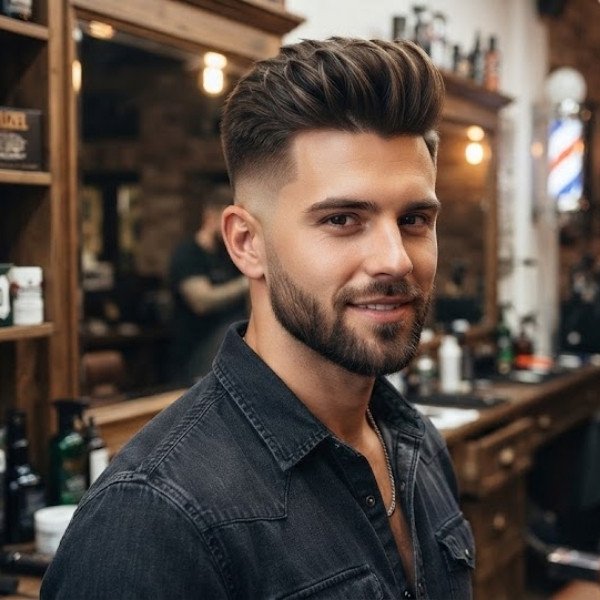
A taper fade quiff gradually shortens the hair from the top down to the neckline, without exposing skin. It is a subtle, workplace-friendly way to add contrast beneath a voluminous top.
8. Low Fade Quiff
The low fade starts just above the ears, keeping most of the sides longer before fading out near the hairline. This version suits men who want a barely-there transition between the quiff and the sides.
9. Mid Fade Quiff
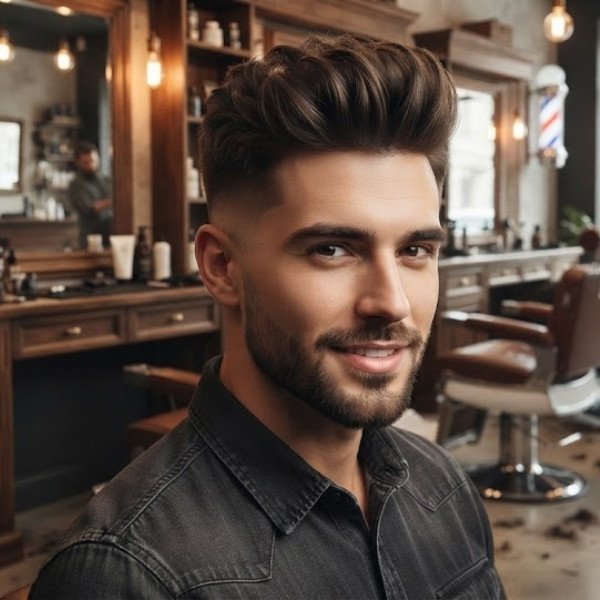
A mid fade begins around the temple, creating a more visible line of contrast than a low fade while still looking polished. It is a popular middle-ground choice for professional environments.
10. High Fade Quiff
The high fade starts near the crown, leaving a small, dense section of hair on top that emphasizes height. This combination is one of the boldest quiff pairings and works best with thicker hair.
11. Skin Fade Quiff
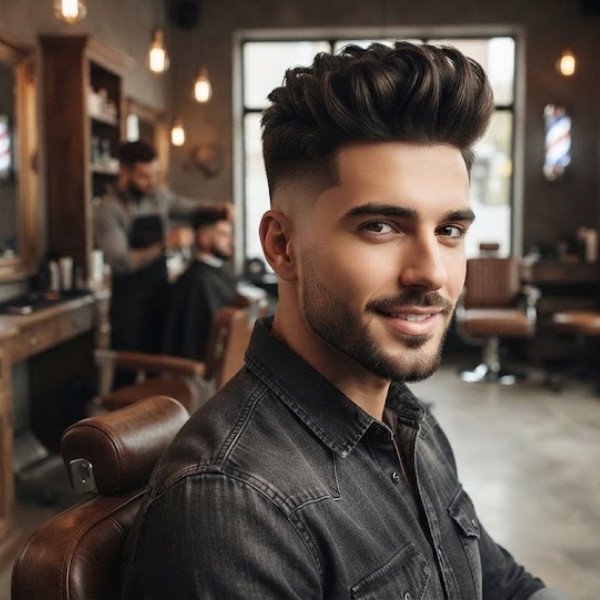
A skin fade quiff fades the sides down to bare skin, creating maximum contrast against the longer top. It has become one of the defining 2026 quiff looks thanks to its sharp, high-definition finish.
12. Burst Fade Quiff
The burst fade curves around the ear rather than running in a straight line, blending into slightly longer hair at the back. It pairs well with a quiff for men who want a rounded, less rigid fade shape.
13. Drop Fade Quiff
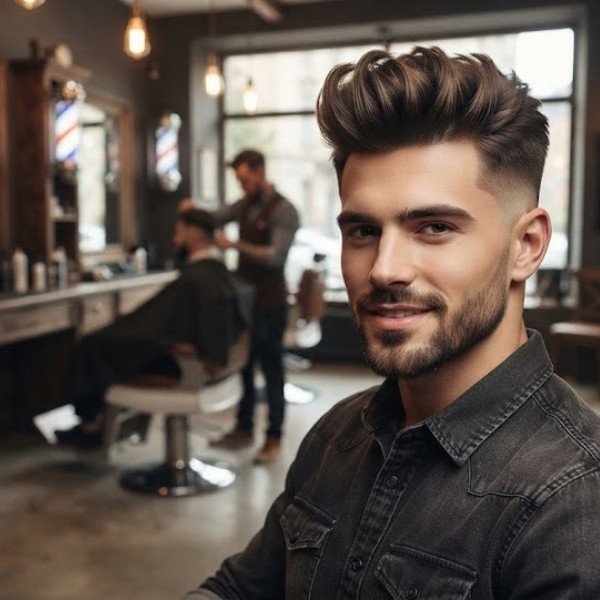
A drop fade dips lower behind the ear before rising again, following the natural curve of the head. This style adds extra visual interest to a quiff without changing the length on top.
14. Undercut Quiff
The undercut quiff uses a hard, disconnected line between the long top and short sides instead of a gradual fade. It creates a bold, high-contrast look that photographs especially well.
15. Slicked Back Quiff
A slicked back quiff uses pomade or gel to smooth the top backward with a glossy finish rather than height at the front. It is the go-to choice for formal events and business settings.
16. Side Part Quiff
This version combines a defined side part with quiff volume at the front, giving a preppy yet modern look. A comb and light-hold product keep the part crisp throughout the day.
17. Comb Over Quiff
The comb over quiff shifts the top hair to one side instead of straight back, blending quiff height with comb over structure. It is a flattering option for men transitioning through a receding hairline.
18. Curly Quiff Haircut
Curly hair naturally adds volume, so a curly quiff often needs less product than straight hair versions. A lightweight curl cream defines texture while a diffuser helps lift the roots for extra height.
19. Wavy Quiff Haircut
Wavy hair gives the quiff natural movement and texture without much effort. A sea salt spray or texture powder enhances the waves while keeping the front lifted.
20. Thick Hair Quiff
Thick hair holds a quiff shape well and can support taller, more dramatic versions of the style. Barbers often thin out the top slightly to prevent excess bulk while preserving volume.
21. Thin Hair Quiff
Thin hair benefits from a shorter quiff paired with a texture powder or root-lifting spray to create the illusion of density. Keeping the sides shorter also makes the top appear fuller by contrast.
22. Asian Quiff Haircut
This version is tailored to typically thicker, straighter Asian hair textures, often paired with a taper or low fade for a clean silhouette. A matte clay is commonly used to control the naturally dense top without adding shine.
23. Pompadour Quiff
A pompadour quiff blends the height and volume of a pompadour with the forward lean of a quiff, creating a hybrid look with maximum lift. It requires a strong hold product and regular blow drying to maintain its shape.
24. Beard with Quiff Haircut
Pairing a quiff with a full or stubble beard balances the height on top with structure along the jawline. This combination is one of the most requested looks for men aiming for a polished, masculine aesthetic.
25. Razor Fade Quiff
A razor fade uses a straight razor instead of clippers for an extremely crisp, sharp line at the sides. It gives the quiff a clean, barbershop-fresh finish that lasts longer between visits.
26. Disconnected Quiff
The disconnected quiff creates an intentional gap in length between the top and sides with no gradual blend. It is a striking, high-contrast option that suits men who want their quiff to stand out.
27. Quiff with Hard Part
A hard part is a shaved line separating the quiff from the side hair, often used to define a side part more sharply. It adds a graphic, barbershop-style detail to an otherwise classic cut.
28. Brushed Up Quiff
This version is styled straight upward rather than swept back, creating maximum height directly above the forehead. A round brush and blow dryer are essential tools for achieving this look.
29. Spiky Quiff Haircut
The spiky quiff combines quiff height at the front with piece-y, gelled spikes throughout the rest of the top. It suits younger or more casual styles and works best with a strong hold gel or wax.
30. Professional Business Quiff
A business-appropriate quiff keeps the top slightly shorter and the styling sleek, avoiding excessive height or messiness. Pairing it with a low or mid fade keeps the overall look sharp and office-ready.
31. Quiff Mullet
The quiff mullet keeps traditional quiff volume and fade on top and sides while leaving the back longer. It is a bold, trend-driven style for men comfortable standing out.
32. Quiff Mohawk Fade
This variation trims the sides down close to a skin fade while leaving a strip of longer hair down the center, styled into quiff-like height at the front. It is one of the more dramatic and attention-grabbing versions on this list.
33. Low Maintenance Quiff
A low maintenance quiff keeps the top short enough to style with just fingers and a small amount of product, skipping the blow dry step entirely. It is ideal for men who want the look without a lengthy morning routine.
34. Volume Quiff Haircut
This style focuses purely on maximizing height and thickness at the front, often using root-lifting spray and a strong hold pomade. It works particularly well for thinner hair that needs an extra boost.
35. Modern Gentleman Quiff
This refined take pairs a neat taper with a smooth, slightly glossy top for a polished, mature aesthetic. It suits professionals who want a quiff that reads sophisticated rather than trendy.
36. Trendy Quiff Haircut
The trendy quiff of 2026 combines a skin fade, heavily textured top, and matte finish for a look that feels current without being extreme. It is one of the most commonly requested variations in barbershops right now.
Best Quiff Haircut for Your Face Shape
| Face Shape | Recommended Quiff Style | Styling Tip |
| Oval | Classic quiff | Almost any version works; keep proportions balanced. |
| Round | Textured high quiff | Add height at the crown to visually elongate the face. |
| Square | Short, textured quiff | Soften strong jawlines with texture instead of sharp lines. |
| Rectangular or long | Wider, lower quiff | Reduce height and add width at the sides to avoid over-elongating. |
| Heart | Side-swept or side part quiff | Add width near the temples to balance a broader forehead. |
| Diamond | Textured quiff with light fade | Keep some width at the sides to soften angular cheekbones. |
How to Ask Your Barber for a Quiff Haircut
Choose Your Preferred Quiff Length
Decide whether you want a short, medium, or long quiff before your appointment. Bringing a specific length in mind, such as three inches or five inches, helps the barber cut the top to match your styling routine.
Decide on the Fade or Taper
Tell your barber whether you want a taper, low fade, mid fade, high fade, or skin fade on the sides. This single decision has the biggest impact on how sharp or subtle the final look appears.
Discuss Texture and Volume
Mention whether you want a smooth, glossy finish or a textured, matte look. Your barber may thin the hair differently depending on which style you are aiming for.
Show Reference Photos
Bring two or three photos of quiff styles you like, ideally from angles that show both the top and the side profile. This removes guesswork and helps avoid miscommunication about length or fade height.
Mention Your Styling Routine
Let your barber know how much time you spend styling each morning. If you prefer a quick, low-effort look, they can cut the top shorter or with less weight so it holds shape without a blow dryer.
How to Style a Quiff Haircut (Step-by-Step Tutorial)
Step 1: Wash and Towel Dry Your Hair
Start with clean hair, since product does not hold well on oily or unwashed strands. Towel dry until hair is damp but not dripping.
Step 2: Apply a Pre-Styling Product
Work a small amount of sea salt spray, mousse, or heat protectant through damp hair. This step builds a foundation for volume before blow drying.
Step 3: Blow Dry for Maximum Volume
Use a round brush to lift the roots while blow drying the top upward and slightly back. Focus the heat at the roots rather than the ends to build height.
Step 4: Create the Quiff Shape
Once hair is mostly dry, use a comb or your fingers to push the front section up and back into the desired quiff shape. Work in small sections for more control over the final line.
Step 5: Apply Styling Product
Apply pomade, clay, or wax depending on the finish you want: glossy, matte, or textured. Rub the product between your palms first so it distributes evenly.
Step 6: Lock the Style in Place
Finish with a light-hold hairspray if you need the style to last through a long day or humid weather. Avoid touching the hair too much once it is set to prevent it from falling flat.
Best Hair Products for a Quiff Haircut
Matte Clay for Natural Texture
Matte clay provides strong hold with a flat, natural finish, making it ideal for textured or messy quiff styles. It works especially well on thicker hair that needs control without shine.
Pomade for Shine
Pomade delivers a glossy, polished finish suited to slicked back or classic quiff styles. Water-based pomades are easier to wash out and restyle than oil-based versions.
Hair Wax for Strong Hold
Wax offers a firmer hold than clay or pomade, making it useful for taller or more structured quiff shapes. It is a good choice for men with thick or coarse hair.
Texture Powder for Volume
Texture powder adds grip and lift at the roots, which is especially helpful for thin or fine hair. A small amount goes a long way, so apply sparingly.
Sea Salt Spray for Movement
Sea salt spray creates a beachy, tousled texture and works best on wavy or slightly curly hair. It is typically applied before blow drying rather than as a finishing product.
Best Quiff Haircuts Based on Hair Type
Straight Hair Quiff
Straight hair often needs a texturizing product to prevent the quiff from looking flat. A matte clay or texture powder adds grip that straight strands naturally lack.
Wavy Hair Quiff
Wavy hair pairs naturally with a textured or messy quiff, since the existing movement reduces the need for heavy styling. A light sea salt spray enhances the natural wave pattern.
Curly Hair Quiff
Curly hair benefits from a slightly longer top to show off natural curl definition while still lifting at the front. A curl-defining cream keeps frizz down without weighing curls flat.
Thick Hair Quiff
Thick hair supports taller, more voluminous quiff styles and holds shape longer throughout the day. Regular thinning during haircuts prevents the top from becoming too bulky.
Thin Hair Quiff
Thin hair looks fuller with a shorter quiff paired with a root-lifting spray or texture powder. Keeping the sides tighter also creates more visual contrast that makes the top appear denser.
Quiff Haircut vs Pompadour
Main Differences
A quiff leans slightly forward and typically uses less length and volume than a pompadour, which is combed straight back with dramatic height throughout. The pompadour also usually requires a more pronounced difference in length between the top and sides.
Styling Requirements
Pompadours generally need more product and a longer blow drying session to build the same level of structure a quiff achieves with less effort. A quiff can often be styled with fingers alone, while a pompadour usually requires a comb and brush.
Which Style Offers More Volume?
The pompadour offers more overall volume and height since the entire top is built up, not just the front section. A quiff concentrates its volume mainly near the hairline.
Which One Is Easier to Maintain?
The quiff is easier to maintain day to day because it requires less product and less precise styling. The pompadour demands more consistent effort to keep its shape looking sharp.
Quiff Haircut vs Comb Over
Key Differences
A quiff is styled upward and back to create height, while a comb over is styled sideways with minimal lift. The quiff creates a bolder silhouette, while the comb over looks more understated and traditional.
Best Face Shapes for Each Style
The quiff suits round or square faces that benefit from added height, while the comb over works well for oval or heart-shaped faces that do not need extra volume at the crown. Both styles can be adjusted with a fade for added versatility.
Which Haircut Looks More Modern?
The quiff generally reads as more modern and fashion-forward due to its height and texture options. The comb over leans more classic and conservative, though modern fades can update its look considerably.
Quiff Haircut Maintenance Tips
Trim Every 2 to 4 Weeks
Regular trims keep the fade sharp and prevent the top from growing out unevenly. Waiting longer than a month often causes the quiff to lose its defined shape.
Use Quality Hair Products
Investing in a good clay, pomade, or wax makes a noticeable difference in how long the style holds throughout the day. Cheaper products often flake or lose hold by midday.
Avoid Excessive Heat Damage
Using a heat protectant before blow drying prevents dryness and breakage, especially for men who style their quiff daily. Lowering the dryer’s heat setting also reduces long-term damage.
Keep Hair Hydrated
A lightweight conditioner or leave-in treatment keeps hair healthy enough to hold texture and volume. Dry, brittle hair struggles to maintain quiff shape throughout the day.
Maintain Fade Regularly
Fades grow out faster than the top of the quiff, so scheduling fade touch-ups every two to three weeks keeps the contrast crisp. Letting the fade grow out too long blurs the line between the top and sides.
Common Quiff Haircut Mistakes to Avoid
Using Too Much Product
Overloading hair with pomade or wax weighs the top down and can make the quiff look greasy instead of styled. A small, pea-sized amount is usually enough.
Skipping Blow Drying
Skipping the blow dry step often results in a flatter quiff, since air drying alone rarely creates enough lift at the roots. Even a quick two-minute blow dry with a round brush makes a noticeable difference.
Choosing the Wrong Hair Length
Picking a length that does not match your hair type or maintenance preference can lead to a quiff that is difficult to style or does not hold shape. Discussing this with your barber beforehand avoids the issue.
Ignoring Face Shape
Choosing a quiff style without considering face shape can create imbalance, such as adding too much height to an already long face. Matching the style to your features improves the overall look significantly.
Neglecting Regular Trims
Letting a quiff grow out too long between trims causes the shape to soften and the fade to blur. Sticking to a consistent trim schedule keeps the cut looking sharp.
Conclusion
The quiff haircut earns its lasting popularity by adapting to nearly any face shape, hair type, and lifestyle, from a low maintenance everyday version to a bold, high-volume statement look. With 36 styles to choose from, the right combination of length, fade, and texture can be tailored specifically to your features and daily routine.
Bring a clear reference photo to your next barber appointment, follow the styling steps above, and stick to a regular trim schedule to keep your quiff looking sharp through 2026 and beyond.
FAQs
Is the quiff haircut still popular in 2026?
Yes, the quiff remains one of the most requested men’s haircuts in 2026, especially in textured and skin fade variations.
How long does hair need to be for a quiff?
Most quiffs need at least three to four inches of length on top, though shorter and longer versions are both possible.
Does a quiff work with thin hair?
Yes, a shorter quiff paired with texture powder or a root-lifting spray can make thin hair appear fuller.
What is the difference between a quiff and a pompadour?
A quiff leans slightly forward with height concentrated at the front, while a pompadour has more overall volume combed straight back.
How often should I get my quiff trimmed?
Most men trim a quiff every two to four weeks to keep the fade sharp and the top shape consistent.
Can I style a quiff without a blow dryer?
Yes, though a quick blow dry with a round brush typically creates more lift and a longer-lasting shape.
What product holds a quiff best?
Strong hold clay, wax, or pomade all work well, with the choice depending on whether you want a matte, natural, or glossy finish.