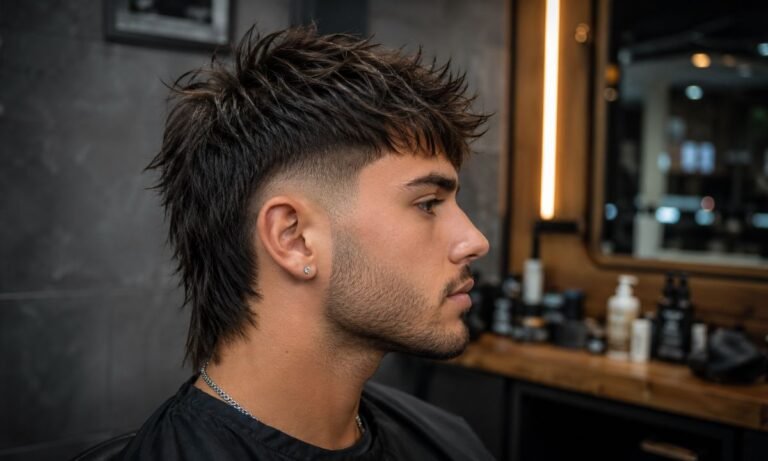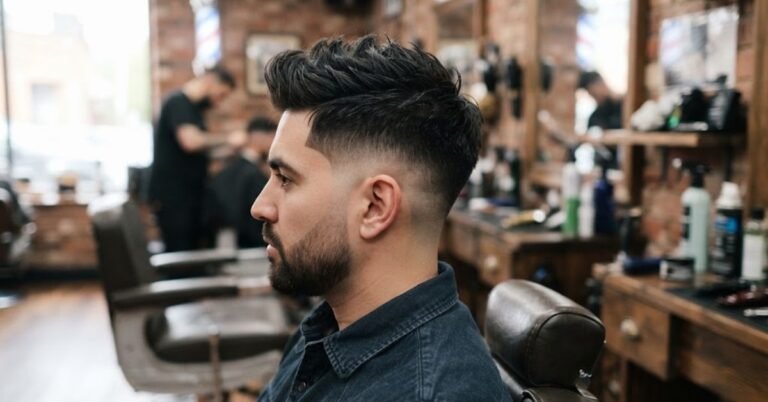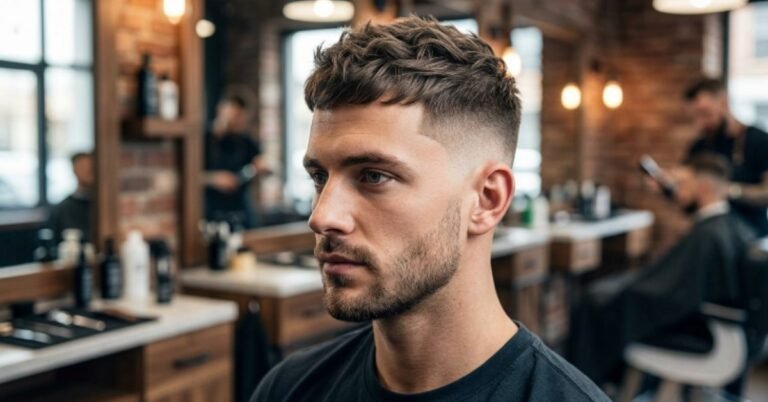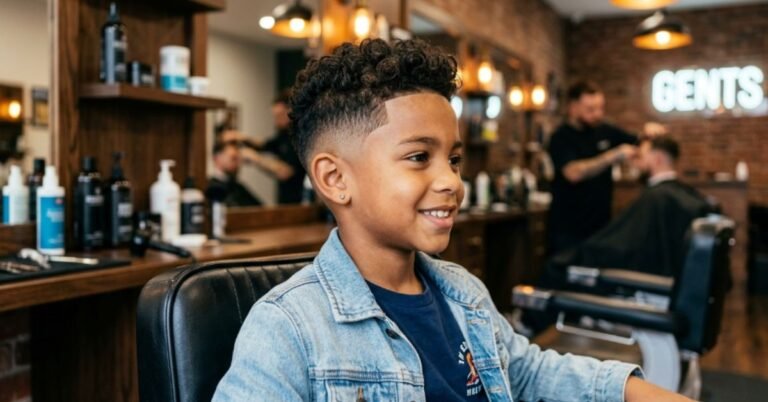
Low Taper Fade Black Male: 2026 Barber Guide for Waves, Curls, Afros & Locs
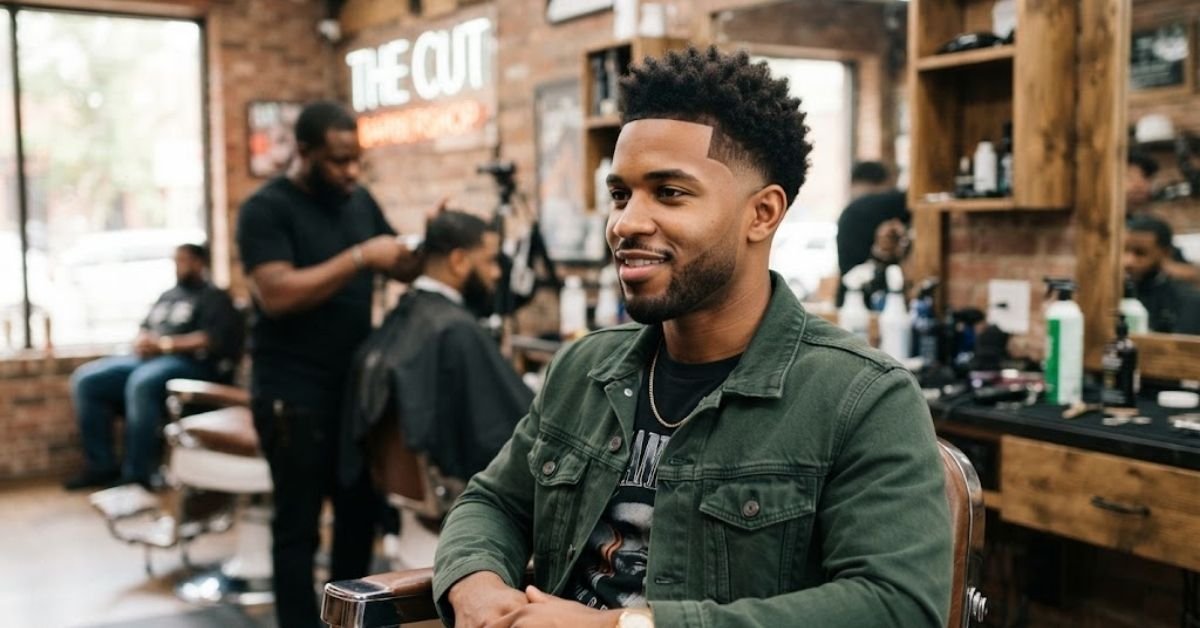
A low taper fade black male haircut is one of the most requested cuts in barbershops right now, and for good reason. It cleans up the sides and neckline without touching the natural texture on top, so waves, coils, curls, afros, and locs all get to stay the star of the show.
This guide breaks down exactly what a low taper fade is, how it compares to other fades, which variations suit different hair types and face shapes, and how to keep it sharp between visits. Whether you’re heading into a barber chair for the first time or refining a look you already love, you’ll find the details barbers actually use, not just trending photos.
What Is a Low Taper Fade for Black Men?
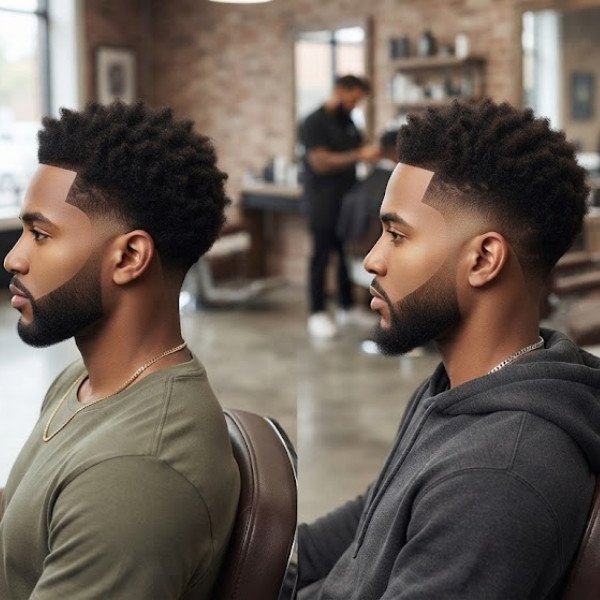
A low taper fade is a haircut where the hair gradually shortens near the sideburns, temples, and neckline while the top and most of the sides stay longer. The blend usually starts about an inch above the ears rather than climbing toward the crown, which is why it’s called “low.”
Barbers typically use clipper guards starting around a #2 or #3 on the upper sides and step down to a #1, #0.5, or bare blade closer to the hairline. This creates a soft gradient instead of a hard line, so the cut grows out cleanly and never looks like it’s “growing wrong.”
For Black hair specifically, this technique matters more than it does for straighter textures. Tightly coiled hair (types 3C to 4C) holds its shape and volume even after several weeks, so a low taper keeps the frame neat while the natural pattern does the visual work on top.
Low Taper Fade vs Other Fades on Black Hair
| Fade Type | Where It Starts | Skin Exposure | Best For |
| Low Taper Fade | Just above the ears and neckline | Minimal | Everyday wear, office, school |
| Mid Taper Fade | Temple level | Moderate | Balanced, slightly bolder look |
| High Taper Fade | Upper sides, near the crown | High | Dramatic contrast, statement styles |
| Skin/Bald Fade | Any height, fades to bare skin | Maximum | Sharp, edgy, low grow-out tolerance |
| Drop Fade | Curves down behind the ear | Moderate | Rounds out square jawlines |
The main difference between a low taper and a low skin fade is contrast. A taper blends into short hair or light stubble, while a skin fade blends all the way to bare scalp. If you want an easier grow-out and a softer look, the taper wins. If you want maximum definition and don’t mind visiting the barbershop more often, a skin fade is the stronger pick.
Why Low Taper Fades Work So Well for Black Hair
- They frame texture instead of flattening it. Because the fade stays low, the natural curl pattern, coil density, or wave definition on top remains the focal point.
- They require less upkeep. Since the taper sits close to the hairline, the grow-out period is longer than a mid or high fade, so most guys can stretch appointments to every 2 to 3 weeks.
- They suit nearly every hair length. A low taper works whether the top is buzzed short, grown into a full afro, or long enough for locs or braids.
- They’re versatile for any setting. The subtlety of the fade makes it appropriate for job interviews, weddings, and casual weekends alike.
- They highlight jawlines and cheekbones. By keeping the sides clean without going high, the cut adds structure without exaggerating the face.
Top Variations of Low Taper Fade Black Male Hairstyles
Short & Buzz-Cut Low Taper Fades
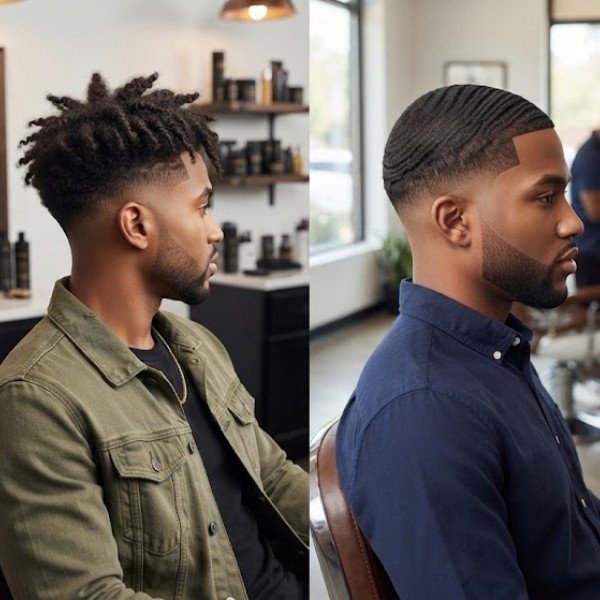
This is the lowest-maintenance version of the cut. The top is kept close, often between a #2 and #4 guard, while the taper trims the perimeter for a crisp finish. It’s a strong choice for guys who want a polished look with almost no daily styling.
Waves, 360 Waves & Coils
A low taper fade paired with 360 waves is one of the most photographed combinations in Black barbering. The taper keeps the sides and back clean while the top length is brushed consistently to build a spinning wave pattern. Natural coils benefit the same way: the fade removes bulk at the edges without disturbing the coil pattern sitting on top.
Afro Tops & Shaped Afros
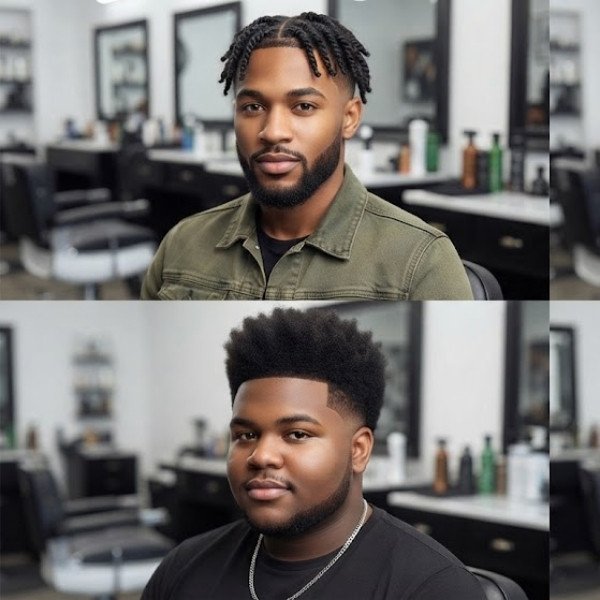
For an afro low taper fade, the top is left full and rounded while the taper hugs the base near the ears and neckline. This keeps the afro from flaring outward into a square shape and instead gives it a rounded, intentional silhouette. Regular moisturizing and a wide-tooth pick help maintain volume between trims.
Long Hair, Braids, Locs & Dreads
Longer styles like braids, locs, and dreads pair naturally with a low taper because the fade only touches the perimeter. Barbers clean around the hairline, temples, and nape while leaving the length untouched, which keeps retwists or braid patterns looking sharp without a full haircut.
Sponge Twists & Hybrid Textures
Sponge twists create defined, uniform curls using a curl sponge and a water-based cream. Combined with a low taper, the twisted top contrasts nicely against the clean sides. Re-twisting every few days keeps the pattern fresh, and the low fade means the sides don’t need attention nearly as often as the top.
Beards, Line-Ups & Designs
A low taper fade often gets paired with a sharp line-up along the forehead and a beard blend along the jaw. Some guys add subtle line or part designs into the taper zone for extra detail. Keeping the beard density consistent with the fade line creates a cleaner overall shape.
Mohawk, FRO Hawk & Mid Low Taper
For a bolder take, the sides are tapered low while a strip down the center is left longer, either as a tight mohawk or a fuller “frohawk” using natural afro texture. A mid-low taper sits between a classic low taper and a mid fade, giving slightly more contrast while still keeping most of the coverage near the ears.
Best Low Taper Fade Black Male for Different Face Shapes
| Face Shape | Does It Work? | Styling Tip |
| Oval | Excellent | Nearly any top length or texture works well |
| Round | Yes | Add height on top (afro or frohawk) to elongate the face |
| Square | Great | The low fade softens strong jaw angles |
| Long/Oblong | Yes | Keep fuller sides and avoid extra height on top |
| Heart | Good | Draws attention away from a wider forehead |
| Diamond | Works well | Keep sides slightly fuller with tapering only near the neckline |
The fade itself is flexible enough to flatter most face shapes. What changes is the top: height, roundness, and length should be adjusted based on your features, so bring reference photos or describe your goals clearly to your barber.
How to Ask for Low Taper Fade Black Male at the Barber
Getting the exact look you want comes down to clear communication. Try this approach:
- Name the fade height first. Say “low taper” specifically, and clarify that you want it starting just above the ears, not at the temple.
- Specify the guard numbers if you know them. For example, “start at a #2 on the sides, blend to a #0.5 near the neckline.”
- Describe the top separately. Mention how much length to leave and whether you want it left natural, twisted, or shaped into an afro.
- Bring a reference photo. A picture with similar hair texture to yours helps the barber judge proportions accurately.
- Mention your face shape or ask for input. A good barber will adjust the top height and taper starting point to suit your features.
- Confirm the line-up and beard blend. Decide upfront whether you want a sharp, defined line-up or a softer, more natural edge.
How to Maintain Low Taper Fade Black Male Cuts
- Schedule touch-ups every 2 to 3 weeks. The low taper grows out slower than a mid or high fade, but the line will still soften over time.
- Moisturize daily. A leave-in conditioner or light oil keeps curls, coils, and waves from drying out, especially around the faded edges.
- Use the right tools for your texture. A wave brush for 360 waves, a curl sponge for twists, and a wide-tooth pick for afros all help maintain shape between cuts.
- Avoid heavy products near the fade line. Thick gels and waxes can clog pores and cause buildup along freshly tapered skin.
- Touch up the line-up at home carefully. A quality trimmer can sharpen the hairline between visits, but leave the actual blending to your barber.
- Protect your hair at night. A satin bonnet or durag reduces friction, preserves curl and wave patterns, and helps the fade look fresh longer.
Common Mistakes & How to Avoid Them
- Choosing the wrong fade height for your face shape. A high-contrast fade on a longer face can exaggerate length. Stick with a true low taper if you want a softer frame.
- Skipping the neckline. Many guys focus only on the sides and forget the nape, which leaves the cut looking unfinished from behind.
- Over-brushing or over-picking the top. This can disrupt curl or wave patterns, especially right after a fresh trim.
- Waiting too long between appointments. Letting the taper grow out past three or four weeks blurs the blend and makes it harder for the next cut to look sharp.
- Using the wrong products for your texture. Heavier creams weigh down finer curls, while lighter oils may not be enough for thicker 4C coils.
- Not communicating clearly with the barber. Vague requests like “just clean it up” often lead to a different result than expected. Be specific about guard numbers, top length, and desired texture.
Low Taper Fade Black Male: Frequently Asked Questions
Does a low taper fade suit every face shape?
Yes. As long as the top length and shape are adjusted to your features, the fade itself stays flattering across face shapes.
How is a low taper different from a low skin fade?
A low taper blends into short hair or light stubble, while a skin fade blends all the way down to bare scalp for stronger contrast.
Can I get a low taper fade with an afro on top?
Absolutely. The taper simply trims the base near the ears and neckline while the afro stays full and rounded on top.
How often should I get my low taper fade touched up?
Most guys return every 2 to 3 weeks, since the low fade grows out slower than a mid or high fade.
Will a low taper fade work with braids or locs?
Yes. The fade only affects the perimeter, so it cleans up the hairline and neckline without disturbing existing braids or locs.
Can I maintain the fade at home between barber visits?
You can sharpen the line-up with a trimmer at home, but the actual blending of the fade should be handled by a professional to avoid uneven results.
Is a low taper fade good for 4C hair?
It’s actually one of the best options for 4C hair, since the density and shrinkage of coily textures create sharp, natural-looking contrast against the fade.
Conclusion
The low taper fade black male haircut earns its popularity by doing one thing very well: it cleans up the frame without competing with your natural texture. Whether you’re wearing waves, coils, an afro, twists, braids, or locs, the low fade adapts to your hair rather than forcing it into one shape.
The key to getting it right is communication. Know the guard numbers you want, describe your top length clearly, and bring a reference photo that matches your texture. Pair that with a consistent maintenance routine, moisturizing daily, protecting your style at night, and returning to your barber every 2 to 3 weeks, and the cut will stay sharp well beyond the day you leave the chair.