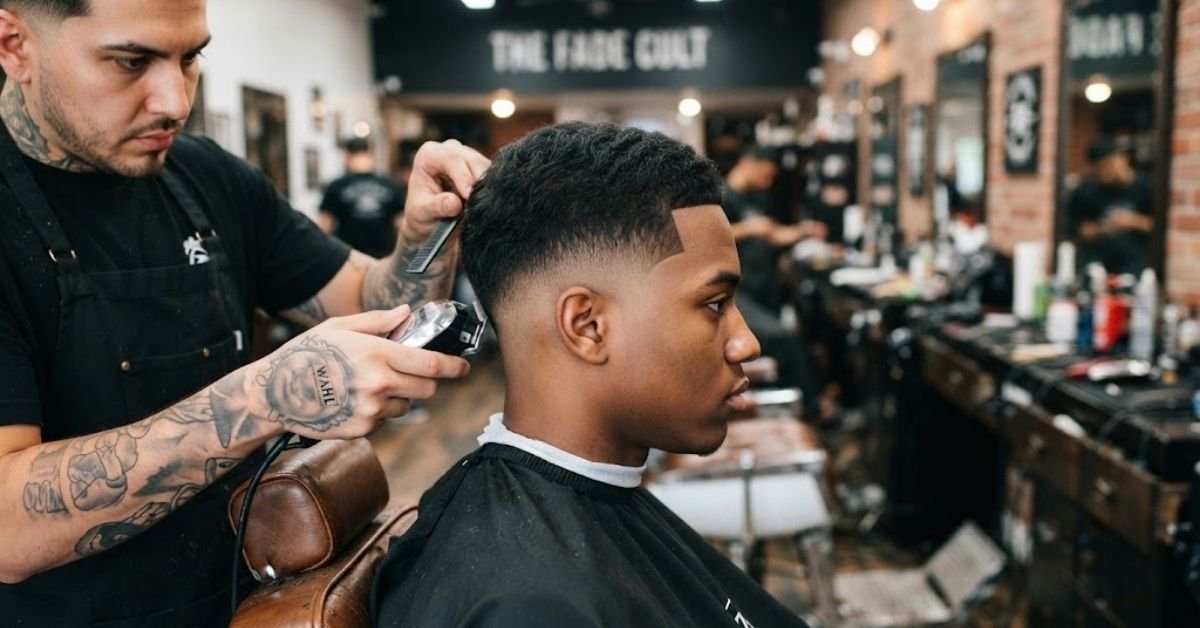
Burst Fade Taper Haircut: 23 Best Styles for Men in 2026
Fades come and go, but the burst fade taper has held its spot as one of the most requested cuts at barbershops right now. It has the sharp detailing barbers love to show off and the everyday wearability that makes it easy to keep between visits.
If you’re trying to figure out what this cut actually looks like, whether it will suit your hair type, or how to explain it to your barber without fumbling through it, this guide covers all of it. You’ll find 23 style variations, a breakdown of how it compares to other fades, a step by step styling tutorial, product picks, and maintenance advice that actually holds up between appointments.
What Is a Burst Fade Taper Haircut?
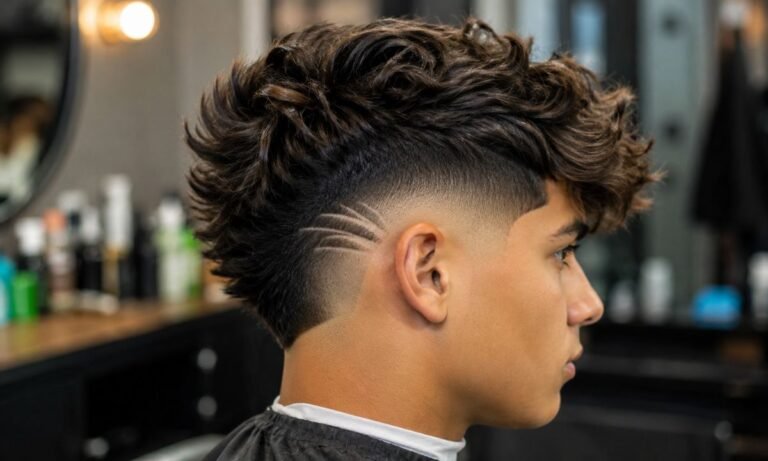
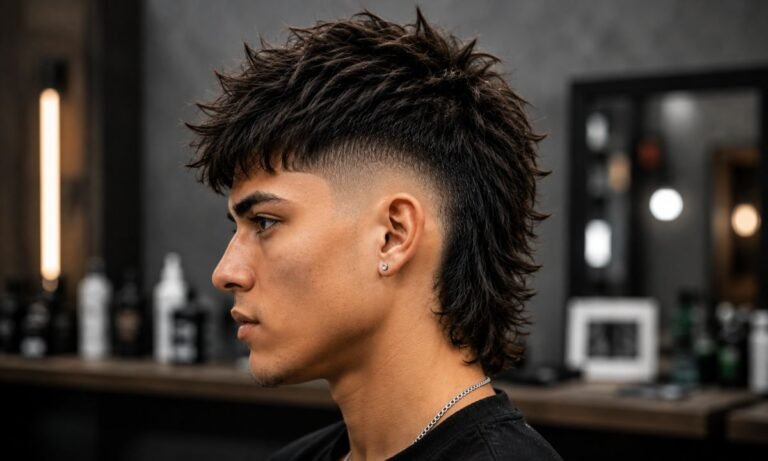
A burst fade taper combines two separate barbering techniques into one cohesive cut. The burst fade is the curved, semicircular fade that wraps around the ear like a small sunburst, instead of running in one straight line around the entire head. The taper is the gradual shortening of hair toward the neckline and sideburns, without cutting all the way down to bare skin.
Put those two together and you get a cut that looks custom around the ear, with a soft, natural finish everywhere else. There’s no harsh line where the hair meets the skin, and the curved shape near the ear gives the whole style more dimension than a standard fade.
A few things define this haircut:
- A curved, arc shaped fade that wraps around the ear
- Gradual tapering toward the neck and sideburns
- More length kept behind the ear compared to a full skin fade
- Compatibility with almost any top style, from crops to pompadours
- Flexibility to sit low, mid, or high depending on your preference
This combination works across straight, wavy, curly, and coarse hair, which is a big reason it keeps showing up in 2026 hairstyle searches. It’s detailed enough to look intentional, but low maintenance enough that it doesn’t demand weekly barber visits.
23 Best Burst Fade Taper Haircut Ideas
Here are 23 ways to wear a burst fade taper, ranging from classic and professional to bold and detailed.
1. Classic Burst Fade Taper
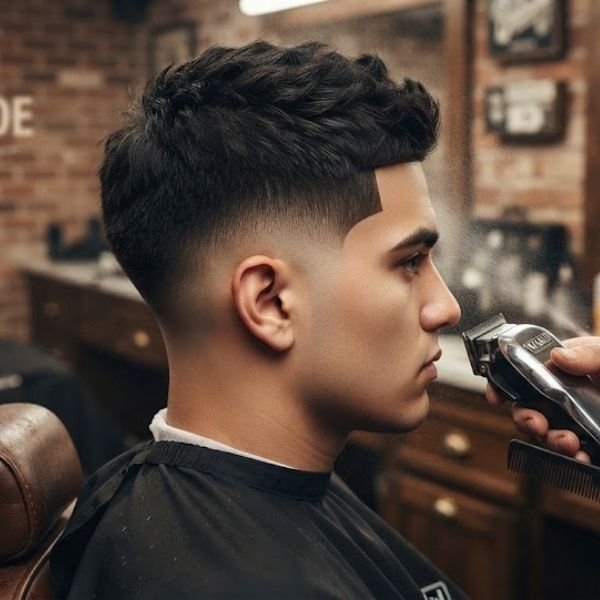
The classic version keeps things simple: a clean curved fade around the ear, a soft taper into the neckline, and medium length on top with light texture. It’s the go to reference photo for most first time burst fade clients.
2. Skin Burst Fade Taper
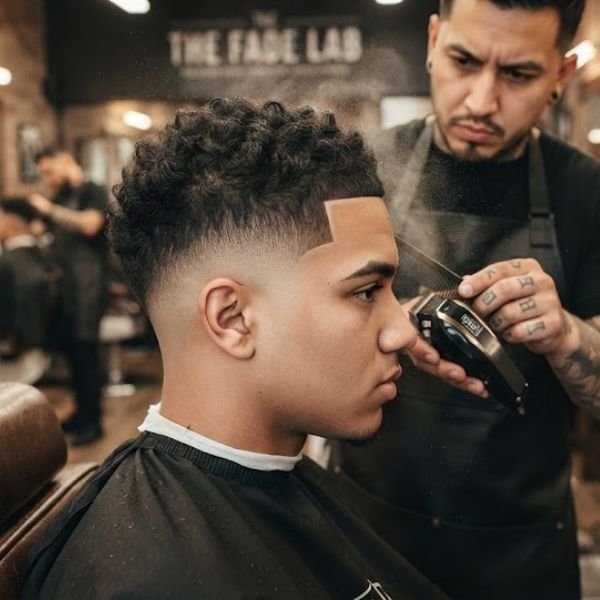
Instead of tapering to short hair, this variation fades all the way down to skin right at the curve around the ear. It creates a sharper contrast and works best for guys who want a bolder statement without losing the taper’s soft blend elsewhere.
3. Burst Fade Taper with Beard
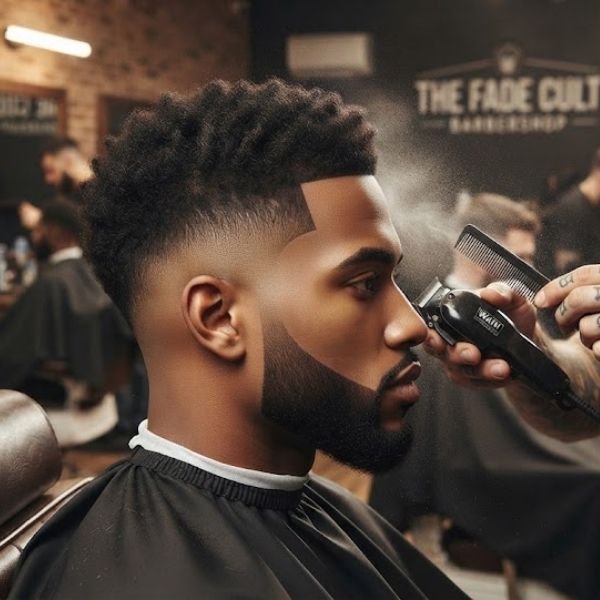
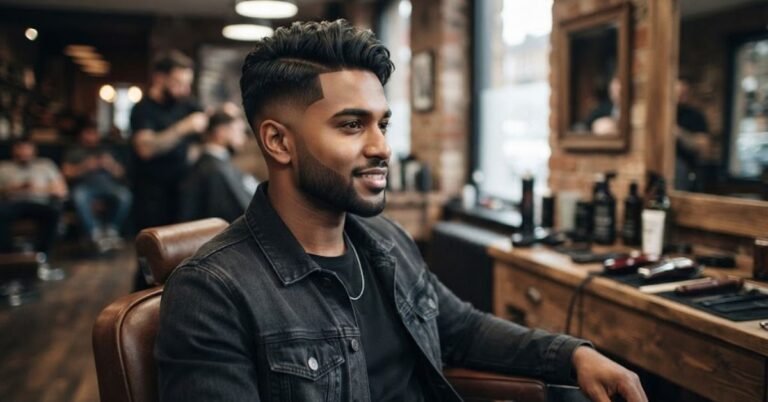
Pairing this cut with a well maintained beard fade creates a continuous line from the sideburns into the jaw. Ask your barber to connect the burst fade directly into the beard fade so there’s no visible gap between the two.
4. Burst Fade Taper with Design
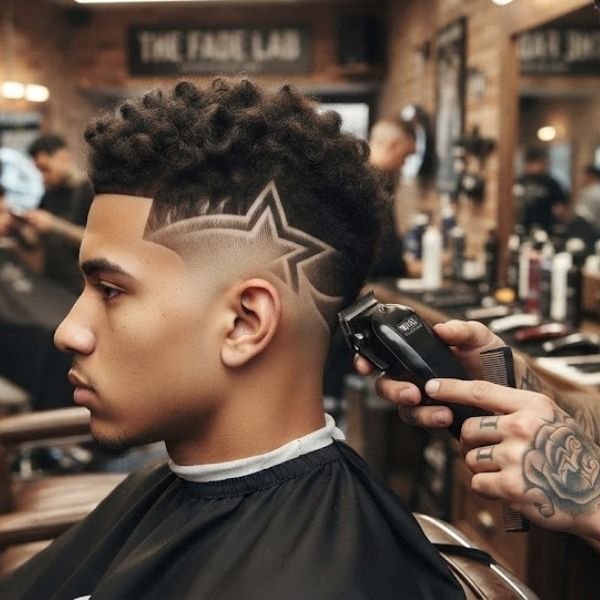
A shaved geometric line, a star, or a simple part line cut into the curve of the burst adds a custom, personalized touch. Designs work best on shorter hair where the contrast against the skin is most visible.
5. Burst Fade Taper with Line Up
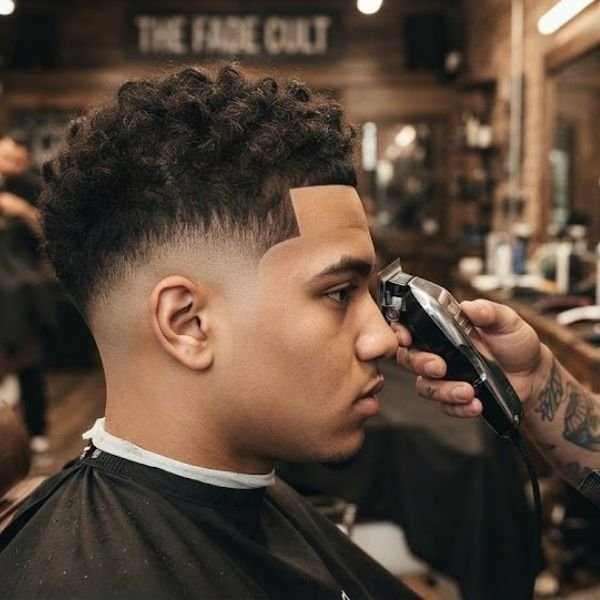
A crisp line up along the hairline and temples sharpens the whole look and gives the front of the cut a more defined edge. This combo is popular for guys who want a barbershop fresh look that lasts a little longer.
6. Textured Burst Fade Taper
Adding texture on top, through scissor work or a texturizing spray, gives the style more movement and a slightly more relaxed feel. It softens the contrast between the sharp fade and the top section.
7. French Crop Burst Fade Taper
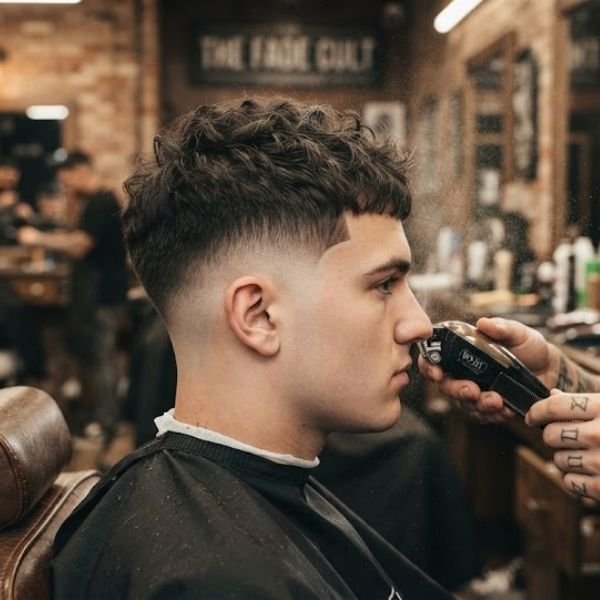
The French crop’s blunt fringe pairs naturally with the curved fade underneath, creating a modern European inspired look. It suits thicker hair that can hold a fringe without falling flat.
8. Crew Cut Burst Fade Taper
Short and uniform on top, tapering slightly toward the back, this crew cut burst fade is built for guys who want zero fuss. It transitions easily from the gym to the office without needing a restyle.
9. Pompadour Burst Fade Taper
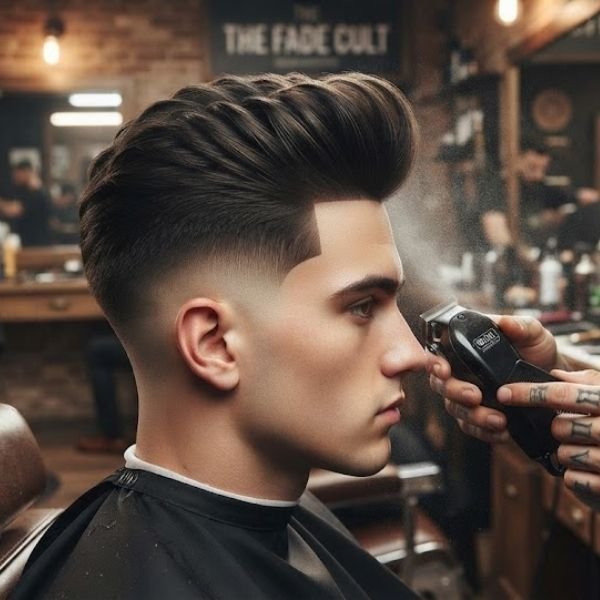
The volume and height of a pompadour on top creates strong contrast against the tight curve of the burst fade below. This pairing needs a strong hold product to keep the shape through the day.
10. Quiff Burst Fade Taper
A quiff adds height at the front while keeping the sides shorter, and the burst fade adds a rounded detail that a plain fade doesn’t offer. It’s a versatile option for both casual and dressed up looks.
11. Slick Back Burst Fade Taper
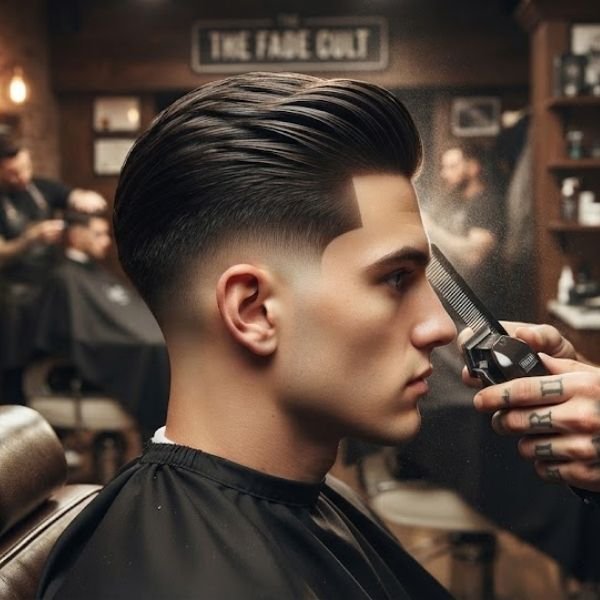
Slicking the top back with a strong pomade creates a polished, structured finish, while the burst fade curve keeps things from looking too formal. It’s a solid choice for weddings, interviews, or dressier occasions.
12. Comb Over Burst Fade Taper
A classic comb over paired with a burst fade taper reads as clean and professional, without looking dated. The side part creates a clear division that draws attention to the fade’s curved detailing.
13. Side Part Burst Fade Taper
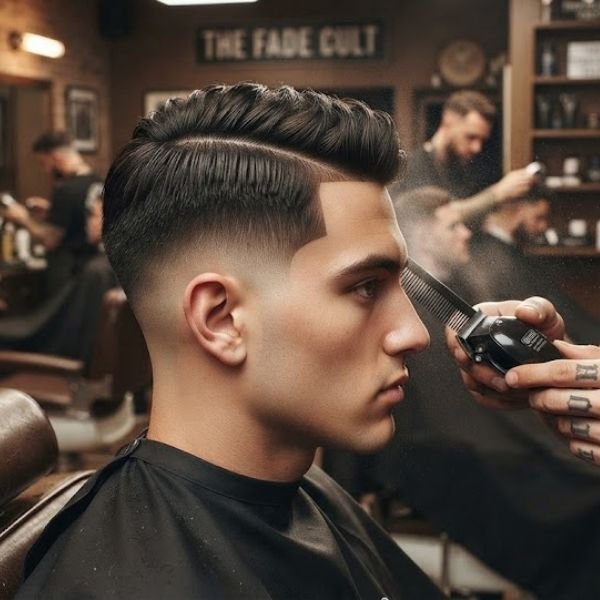
Similar to the comb over but with more natural texture and less product, the side part version feels more casual day to day. It works well for guys who don’t want to spend much time styling in the morning.
14. Hard Part Burst Fade Taper
A shaved line marking the part adds extra sharpness and makes the style look more deliberate. It pairs particularly well with a side part or comb over on top.
15. Brush Up Burst Fade Taper
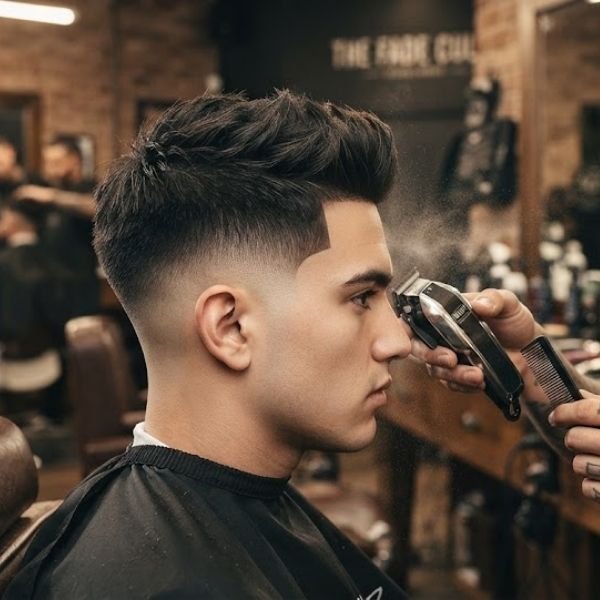
Hair gets pushed up and slightly forward for a casual but styled finish. It has real presence without demanding pompadour level effort, and the fade underneath keeps the whole look balanced.
16. Messy Burst Fade Taper
A more textured, undone top contrasts nicely against the precision of the burst fade curve. It suits guys who want an edgier, lower effort daily style.
17. Burst Fade Taper for Thick Hair
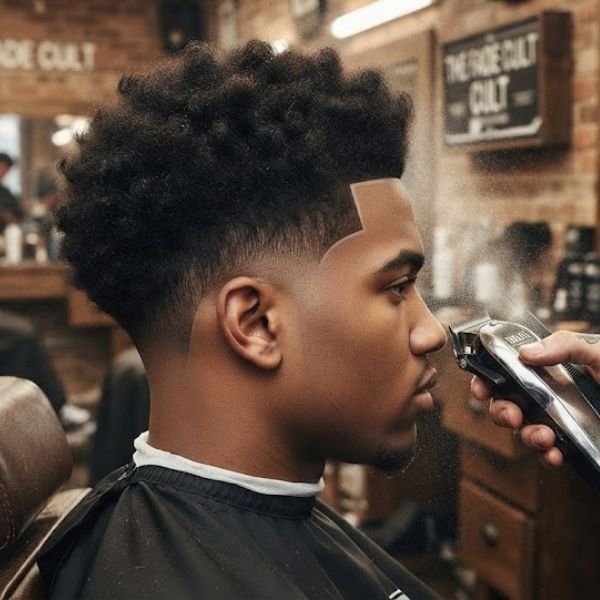
Thick hair holds shape well on top, so this variation usually keeps more length and relies on the fade to manage the bulk on the sides. A skin level burst adds contrast that thick hair can otherwise mute.
18. Burst Fade Taper for Thin Hair
For thinner hair, a slightly higher fade and shorter top length help create the illusion of more density. Texturizing products also add visual thickness without weighing the hair down.
19. Burst Fade Taper for Black Men
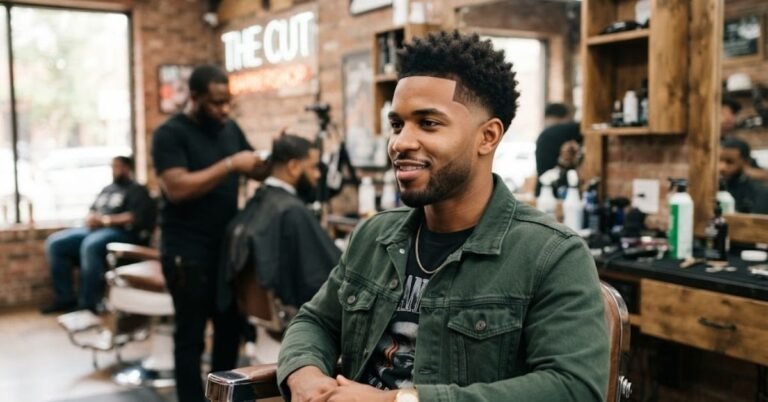
On coilier hair textures, the burst fade taper often pairs with a defined afro, twists, or a curl sponge top, since the curved fade shows up cleanly against tighter curl patterns. Regular edge up appointments keep the curve sharp.
20. Burst Fade Taper for Teens
A softer, lower burst fade with more length on top gives younger guys a trendy look that’s still easy to maintain and grow out between school appointments.
21. Professional Burst Fade Taper
Keeping the fade low and the top neatly styled makes this version office appropriate. It offers just enough detail to look current without drawing too much attention in a formal setting.
22. Modern Burst Fade Taper
A higher fade, sharper contrast, and a textured or disconnected top create a bolder, more fashion forward take on the classic cut. This version leans into the trend rather than playing it safe.
23. Sharp Burst Fade Taper
Crisp edges, a precise curve around the ear, and a clean neckline define this version. It’s the one to show your barber when you want maximum precision and minimal room for error.
Burst Fade Taper vs Other Popular Fade Haircuts
Fade terminology gets confusing fast. Here’s how the burst fade taper stacks up against the other cuts you’ve probably heard barbers mention.
Burst Fade Taper vs Low Fade
A low fade starts just above the ear and runs in a straight, subtle line around the head. A burst fade taper still curves around the ear rather than running straight, which gives it a more custom shape even when kept at a similar low height. Low fades are generally the safest, most conservative option, while the burst adds visual interest without pushing the contrast much higher.
Burst Fade Taper vs Mid Fade
A mid fade begins around the temple, creating a more noticeable contrast than a low fade. When combined with a burst, the curve wraps higher up near the temple area, giving a bolder, more balanced look that still works in most everyday and professional settings.
Burst Fade Taper vs High Fade
High fades start near the crown of the head and create the sharpest contrast of the group. A burst fade taper at high placement is the boldest version of this style, best suited to guys who want their haircut to be a focal point rather than a subtle detail.
Burst Fade Taper vs Taper Fade
This is the comparison people mix up the most. A regular taper fade shortens hair gradually in a straight line down the sides and back. A burst fade taper does the same gradual shortening but curves around the ear instead of following a straight path. The blending technique and guard sizes stay similar between both cuts. The curved shape is really the entire difference.
How to Ask Your Barber for a Burst Fade Taper
Walking into a barbershop without the right words can lead to a haircut that isn’t quite what you pictured. Here’s how to communicate clearly.
Explain the Fade Level
Tell your barber whether you want the fade to sit low, mid, or high. This single detail determines how bold or subtle the final contrast will look, so it’s worth deciding before you sit down.
Show a Reference Photo
Barbers work far more accurately from a photo than from a verbal description alone. Pick one or two images that closely match the length, texture, and fade height you want.
Discuss the Top Length
Let your barber know how much length you want to keep on top and whether you plan to style it up, back, or with texture. This affects how they cut and layer the crown section.
Mention Beard or Line-Up Preferences
If you want the fade connected into a beard fade or finished with a sharp line up, say so before the cut starts. It’s much easier to build these details in from the beginning than to add them afterward.
How to Style a Burst Fade Taper Haircut (Step-by-Step Tutorial)
Once the cut is done, styling it well is what makes it look sharp day to day. Follow these steps for a clean, lasting finish.
Step 1: Start with Clean, Damp Hair
Wash your hair and towel dry it until it’s damp, not soaking wet. Product distributes more evenly and holds better on hair that isn’t dripping.
Step 2: Apply a Styling Product
Work a small amount of your chosen product, whether that’s clay, pomade, or paste, evenly through your hands before applying it to the top section of your hair.
Step 3: Shape the Top Section
Use your fingers or a comb to shape the top into your desired style, whether that’s a side part, a brush up, or a textured, tousled look.
Step 4: Blow Dry for Volume
If your style needs lift, use a blow dryer on a medium heat setting while brushing the top upward or in the direction you want it to sit. This locks in volume before the product fully sets.
Step 5: Define the Details
Use a fine tooth comb or your fingertips to sharpen the part line, define the fade’s curve at the front, and clean up any flyaways near the hairline.
Step 6: Finish with Hold and Texture
Add a light layer of texture spray or a small amount of extra product to the ends for hold that lasts through the day without looking stiff or greasy.
Best Hair Products for a Burst Fade Taper
The right product depends on the finish you want and your natural hair texture.
Matte Clay
Matte clay gives a strong, natural looking hold without shine, which makes it a solid choice for textured tops and crops.
Pomade
Pomade offers a glossier finish and works especially well for slicked back styles, comb overs, and pompadours that need structure and shine.
Styling Paste
Paste sits between clay and pomade, offering moderate hold with a slight sheen, making it flexible enough for brush ups and quiffs.
Sea Salt Spray
Sea salt spray adds texture and grit, which is ideal for messy or beach inspired tops that need a more undone finish.
Hair Spray
A light hold hair spray locks a finished style in place for the day, especially useful for taller styles like pompadours and quiffs that need to survive wind and movement.
Burst Fade Taper Haircut Maintenance Tips
Keeping this cut sharp between barbershop visits comes down to a few consistent habits.
Get Regular Trims
Because the fade’s curve is precise, regrowth shows up faster than it would on a simple taper. Schedule a touch up every two to three weeks depending on how high your fade sits.
Use Quality Hair Products
Cheap products can leave residue or flake over time, which dulls the look of your style. Investing in a few solid staples pays off in how the cut holds up day to day.
Wash and Condition Your Hair
Regular washing keeps the scalp healthy and prevents product buildup, while conditioning keeps the top section manageable and easier to style.
Keep the Neckline Clean
A blurry or overgrown neckline undoes the sharp look of a fresh fade fast. A quick trim with clippers or a visit to the barber keeps this area crisp between full cuts.
Protect Hair from Heat Damage
If you regularly blow dry or use heat tools to style the top, use a heat protectant to prevent dryness and breakage over time.
Common Mistakes to Avoid with a Burst Fade Taper Haircut
A few small missteps can throw off the entire look of this cut.
1. Choosing the Wrong Fade Height
Going too high without discussing it first can result in a much bolder look than you intended. Talk through the fade level before the clippers come out.
2. Ignoring Your Hair Texture
Not every top style works equally well on every texture. Curly hair, for example, often needs different product and cutting techniques than straight hair.
3. Skipping Regular Trims
Letting the fade grow out too long between visits blurs the curved line that makes this cut distinctive in the first place.
4. Using the Wrong Styling Products
A heavy pomade on fine hair, or a light spray on thick, unruly hair, rarely gives the finish you’re after. Match the product to your hair type.
5. Not Showing Your Barber a Reference Photo
Verbal descriptions alone often lead to miscommunication. A clear photo removes most of the guesswork.
6. Forgetting Neckline Maintenance
An unkempt neckline makes even a great haircut look unfinished. Keep it as sharp as the rest of the cut.
7. Expecting Every Style to Suit Every Face Shape
Not every variation on this list will look identical on every face shape. A style that flatters an oval face might need small tweaks for a round or square one.
FAQs
Is a burst fade taper high maintenance?
It’s moderate. Expect a trim every two to three weeks, especially if the fade sits mid to high, to keep the curved line looking sharp.
Does a burst fade taper work with curly hair?
Yes. It works especially well with curly and coily hair, since the curve of the fade shows up clearly against tighter curl patterns.
What’s the difference between a burst fade and a burst fade taper?
A burst fade refers to the curved shape around the ear, while a burst fade taper adds a gradual taper into the neckline instead of fading all the way to skin everywhere.
Can I get a burst fade taper for a job interview?
Yes, especially at a low or mid fade height with a neat top style, which keeps the cut professional and understated.
How long does it take to grow out a burst fade taper?
Most guys start noticing regrowth around the two to three week mark, though this depends on how fast your hair grows and how high the fade is placed.
Will a burst fade taper suit my face shape?
Most face shapes can wear some version of this cut, but the ideal fade height and top length vary. A barber can recommend the best combination for your features.
Conclusion
The burst fade taper earns its popularity by combining a distinctive, curved detail with a soft, wearable finish that suits almost any hair type, face shape, and lifestyle. Whether you’re after a classic, professional look or something bolder with texture and design work, there’s a version of this cut on the list above that fits.
The key to getting it right comes down to clear communication with your barber, choosing the right products for your hair, and staying consistent with trims. Get those three things right, and this cut will stay sharp and current well past 2026.