
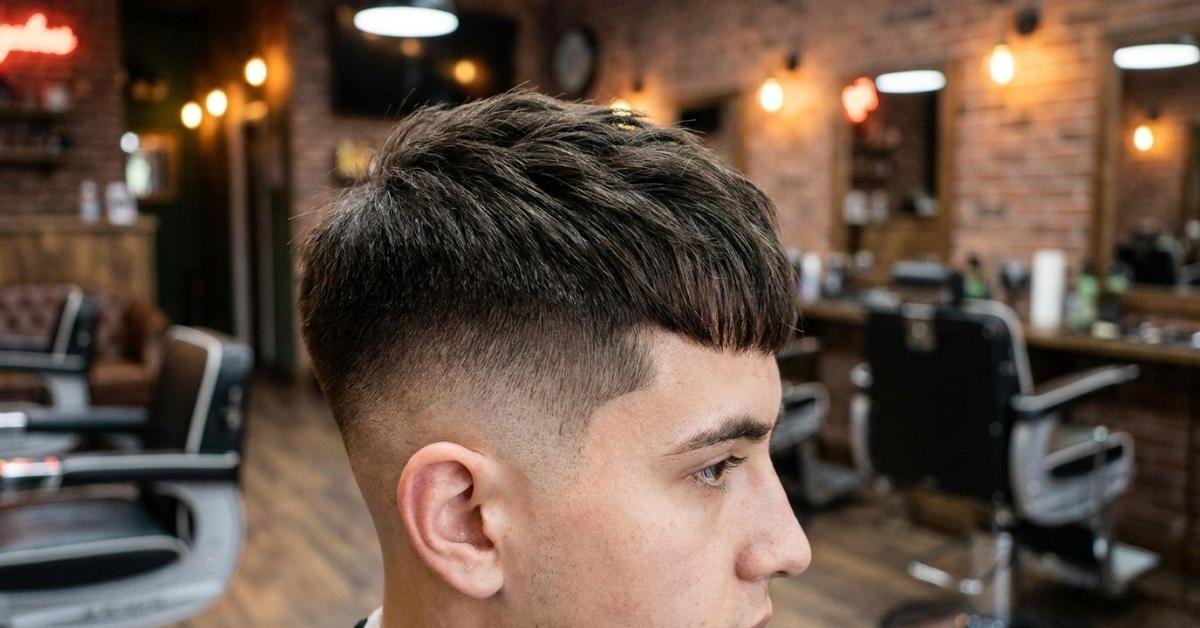
25 Best Burst Fade Edgar Haircuts for Men in 2026
The burst fade Edgar haircut is one of the most requested cuts in barbershops right now, and it is easy to see why. You get the bold, blunt fringe of the Edgar cut plus a rounded fade that curves around the ear instead of running straight down the head. The result looks sharp, modern, and a little daring.
This guide covers 25 styles, face shape advice, hair type tips, barber instructions, home styling, products, costs, and upkeep. By the end, you will know exactly what to ask for at your next appointment.
Quick Answer
A burst fade Edgar haircut pairs a thick, straight-across Edgar fringe with a burst fade, a semicircular fade that wraps around the ear and leaves extra length at the nape. It suits most face shapes and hair types, works at low, mid, or high heights, and needs a touch-up every 2 to 3 weeks to stay crisp.
Key Takeaways
- The Edgar part is the blunt fringe and short sides. The burst part is the curved fade around the ear.
- You can choose a low, mid, high, skin, or taper version depending on how much contrast you want.
- Straight, wavy, curly, coily, thick, and fine hair can all work with the right styling.
- You need roughly 2 to 3 inches of hair on top to build a proper fringe.
- Matte clay, texture powder, and sea salt spray do most of the styling work.
- Plan on a barber visit every 2 to 3 weeks for the sharpest look.
- Bring reference photos and name the fade height, fringe length, and lineup style.
What Is a Burst Fade Edgar Haircut?
A burst fade Edgar is a two-part haircut. The top follows the Edgar template, and the sides and back follow the burst fade template. Put together, you get a thick fringe over the forehead and a fade that arcs around the ear like a rounded sunburst.
The Edgar Haircut, Explained
The Edgar cut is a men’s haircut with a thick fringe cut bluntly across the forehead and short faded or tapered sides. It is closely tied to Latino culture, especially young Mexican American men, and it overlaps with the takuache look.
The origin of the name is unconfirmed. Many people link it to former baseball player Edgar Martínez, and some writers point out a resemblance to the hairstyles of the Jumano people. The cut was mocked for years in some places, then went viral and became a point of pride for many wearers. Today it is a mainstream style with plenty of variations.
What Makes a Burst Fade Different?
A standard fade runs in a straight line around the head. A burst fade breaks that pattern and curves in a half circle around the ear, then drops sharply toward the neck. Hair behind the curve stays longer, which is why this fade pairs well with a mullet-adjacent back.
- Shape: a rounded, semicircular arc around the ear.
- Contrast: short sides next to longer hair at the back and top.
- Height: can start low, mid, or high on the head.
- Finish: can end in skin, a shadow, or a soft taper.
Who Should Try a Burst Fade Edgar?
This cut is a good match if you:
- Want a style that stands out without being extreme.
- Have at least a couple of inches of hair on top.
- Enjoy styling your hair and visiting the barber regularly.
- Have straight, wavy, or curly hair with decent density.
- Like the Edgar look but want a more modern fade.
Who Should Avoid This Cut
No haircut works for everyone. Think twice if any of these apply:
- Thinning crown or fringe area: a blunt fringe needs density to look full.
- Very receding hairline: the fringe can sit unevenly and draw attention to the hairline.
- Strong front cowlick: hair that fights the fringe direction is hard to control.
- Strict dress code: some schools and workplaces limit high-contrast fades. Ask first, or choose a low, clean version.
- Low-maintenance preference: the curve and lineup lose their shape fast.
- Sensitive skin or razor bumps: skin versions can irritate. A taper finish is gentler.
Face Shapes That Suit a Burst Fade Edgar
Fringe length and fade height change how the cut frames your face. Use these quick guides as a starting point, then ask your barber for a final opinion.
Oval Face
Oval faces are balanced, so almost any version works. A mid burst with a textured fringe is a safe and flattering pick.
Round Face
Go for a higher burst fade to add vertical lines, and keep the fringe slightly textured. Avoid heavy volume on the sides, which can make the face look wider.
Square Face
A low or mid burst with a softly textured fringe takes the edge off a strong jaw. If you like the angular look, keep the lineup razor sharp.
Diamond Face
A fuller fringe adds width across the forehead, which balances prominent cheekbones. A low or mid burst keeps the sides neat.
Heart Face
A fringe that sits a little lower helps cover a wider forehead. Keep volume modest and consider a short beard to balance a narrower chin.
Oblong (Long) Face
A thick fringe shortens the look of a long face. Keep the sides fuller with a low burst and avoid too much height on top.
Burst Fade Edgar by Hair Type
- Straight hair: shows the blunt fringe line best. Add texture powder so it does not fall flat.
- Wavy hair: gives natural movement and a relaxed look. A light cream or sea salt spray keeps waves defined.
- Curly hair: creates a fluffy, defined top. Keep the fringe a bit longer because curls shrink when dry.
- Coily hair: holds shape well and gives strong contrast against the fade. Moisturize often and ask for a clean, rounded outline.
- Thick hair: needs thinning or texturizing to remove bulk. Ask your barber to point cut the fringe.
- Fine or thin hair: works with a shorter fringe and a lower fade. Use powder for lift instead of heavy products.
25 Best Burst Fade Edgar Haircuts for Men
Each style below includes who it suits and one practical styling tip. Mix and match elements to build your own version.
1. Classic Burst Fade Edgar
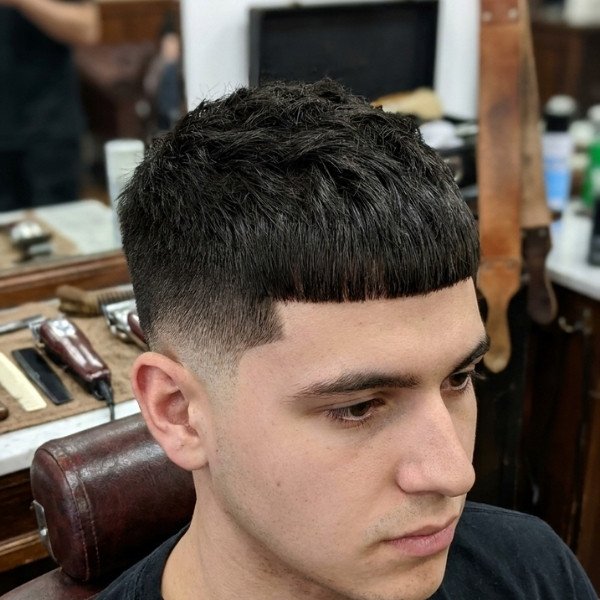
The baseline version. A blunt fringe sits at mid forehead with a medium burst fade on the sides. Best for: first-timers who want the signature look. Tip: keep the fringe edge clean and let the fade do the talking.
2. Low Burst Fade Edgar
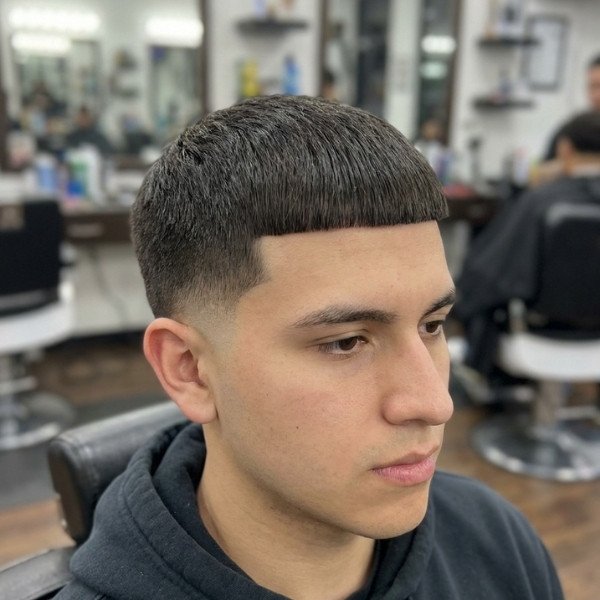
The fade starts just above the ear, so the contrast is subtle. Best for: school, office, and anyone easing into the style. Tip: book a lineup every two weeks to keep the curve visible.
3. Mid Burst Fade Edgar
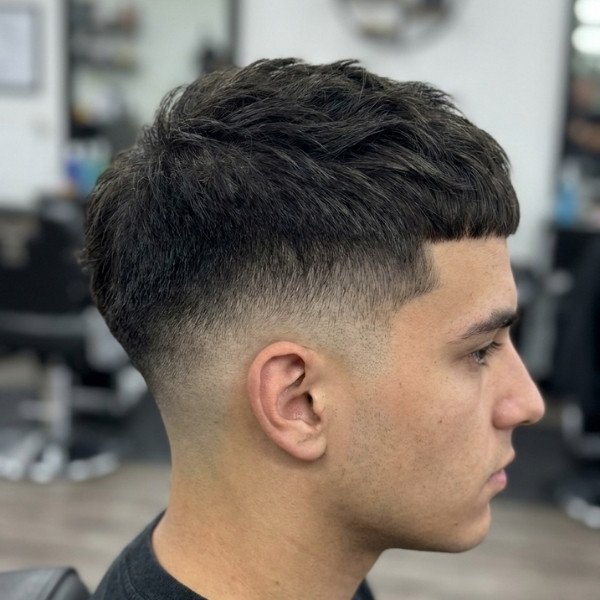
Starts around temple level for a balanced, versatile look. Best for: most face shapes and the safest all-round choice. Tip: ask for a smooth blend into the top so there is no harsh line.
4. High Burst Fade Edgar
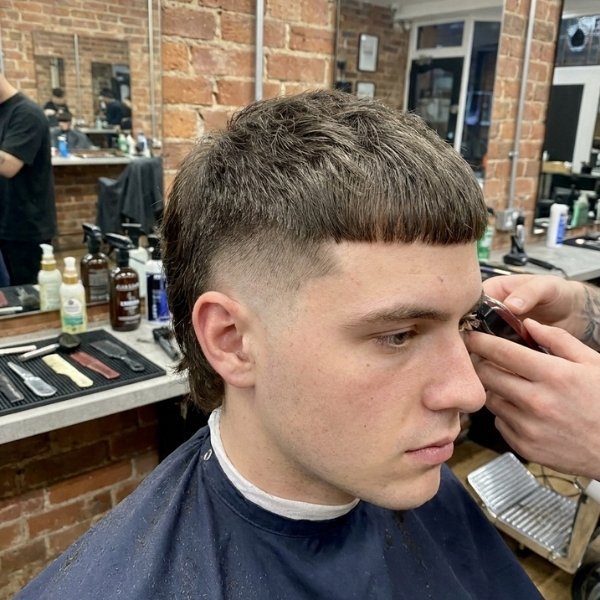
Starts near the upper sides of the head for strong, dramatic contrast. Best for: round faces and bold personalities. Tip: expect faster grow-out and more frequent touch-ups.
5. Skin Burst Fade Edgar
Fades all the way down to bare skin for the cleanest finish. Best for: a sharp, polished look. Tip: moisturize the skin after each cut and use sunscreen on exposed areas.
6. Taper Burst Fade Edgar
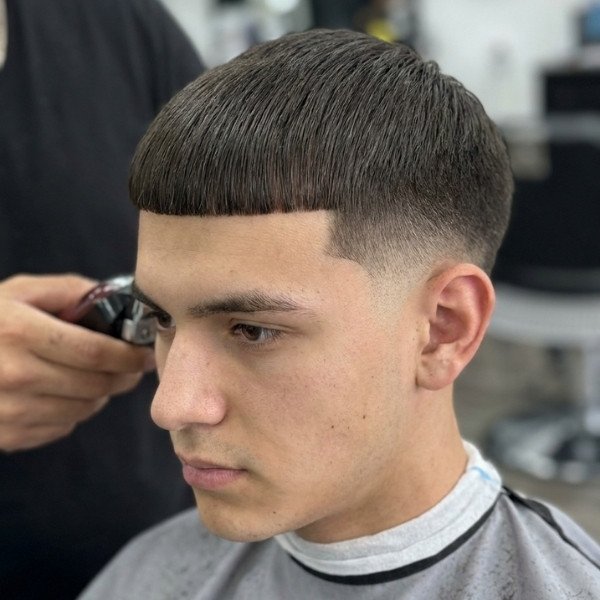
Swaps the bare skin ending for a soft taper at the neckline and sideburns. Best for: easier grow-out and sensitive skin. Tip: ask for a natural neckline instead of a squared one.
7. Textured Burst Fade Edgar
The fringe is cut with choppy, uneven layers for a lived-in feel. Best for: straight or fine hair that needs movement. Tip: work texture powder through the roots with your fingers.
8. Curly Burst Fade Edgar
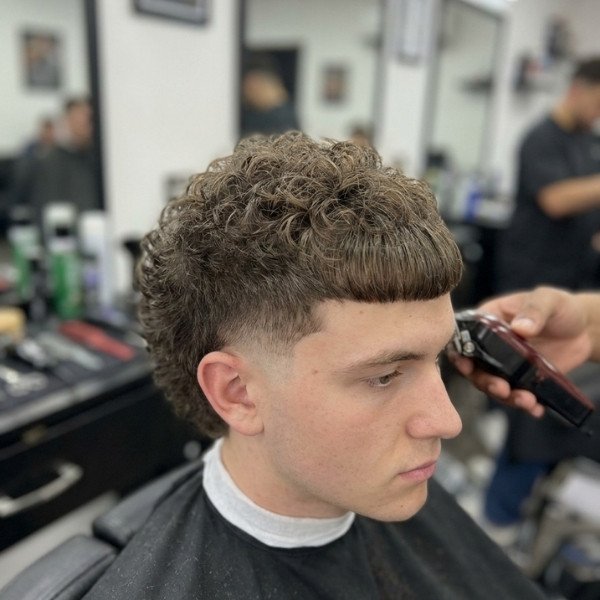
Natural curls on top with a crisp burst on the sides. Best for: curly and coily hair. Tip: apply curl cream to damp hair and diffuse on low heat.
9. Wavy Burst Fade Edgar
Soft waves fall into the fringe for effortless movement. Best for: wavy hair and casual styling. Tip: scrunch in sea salt spray and let the waves set.
10. Straight Hair Burst Fade Edgar
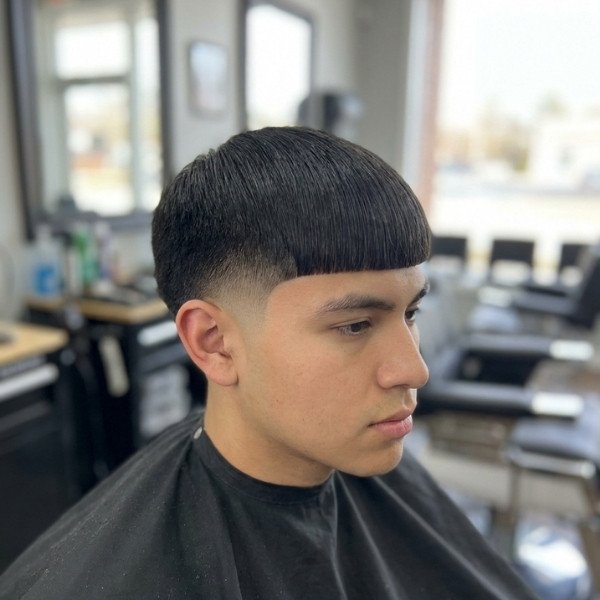
Straight strands make the blunt fringe look extra precise. Best for: men who like a clean, graphic shape. Tip: blow dry forward with a little volume spray to avoid a flat top.
11. Fluffy Burst Fade Edgar
Airy, lifted volume on top with a tight fade below. Best for: thick hair and trend-focused guys. Tip: blow dry upward with your fingers, then lock it in with texture powder.
12. Messy Burst Fade Edgar
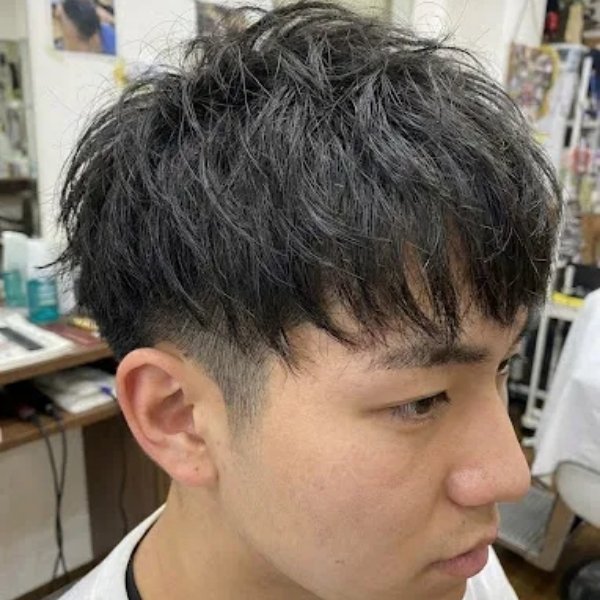
A tousled, undone top that still looks intentional. Best for: low-effort mornings. Tip: rub matte clay between your palms and scrunch it through dry hair.
13. Sharp Line Up Burst Fade Edgar
A crisp edge-up at the forehead and temples frames the whole cut. Best for: anyone who wants maximum definition. Tip: ask for a quick lineup refresh between full cuts.
14. Burst Fade Edgar with Beard
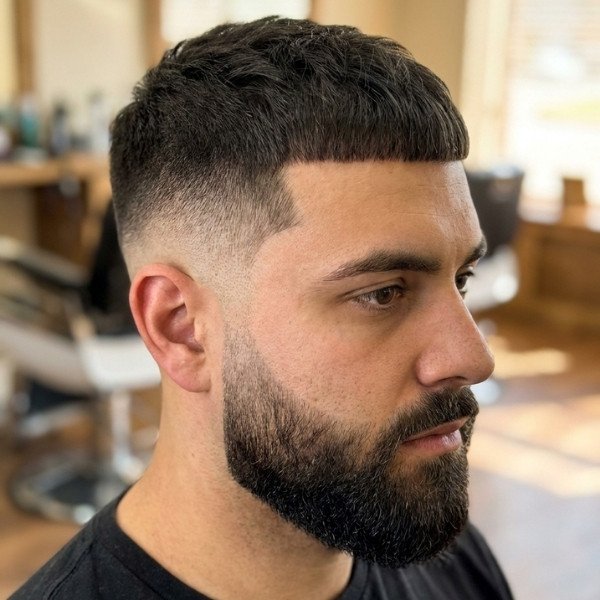
The burst fade blends into a short, tidy beard. Best for: square, heart, and oval faces. Tip: keep the beard short and use a little oil so the fade-to-beard blend stays smooth.
15. Burst Fade Edgar with Design
A line, pattern, or shape is shaved into the faded sides. Best for: self-expression and special occasions. Tip: show your barber a clear reference, and expect the design to soften within a week or two.
16. Short Burst Fade Edgar
A shorter fringe and top, usually around 1 to 2 inches. Best for: hot weather, gym routines, and quick styling. Tip: use a light paste so the short fringe does not look stiff.
17. Long Fringe Burst Fade Edgar
The fringe reaches the brows or slightly below for a dramatic frame. Best for: straight or thick hair and oblong faces. Tip: use a flexible product so the fringe holds without feeling crunchy.
18. Thick Hair Burst Fade Edgar
Dense hair gives the fringe serious presence. Best for: men with high density who want volume. Tip: ask your barber to thin the inside layers so the top does not puff out too much.
19. Modern Burst Fade Edgar
A slightly longer, softly textured fringe over a clean skin fade. Best for: the polished look popular on social media. Tip: keep product light for a natural, matte finish.
20. Razor Sharp Burst Fade Edgar
Every edge is finished with a razor or foil shaver for ultra-crisp lines. Best for: weddings, events, and photo days. Tip: book it a day or two before the occasion so the skin can settle.
21. Mexican Burst Fade Edgar
A nod to the Mexican American roots of the Edgar, with a bold fringe, strong lineup, and often a design on the sides. Best for: men who want to embrace the cut’s cultural heritage. Tip: tell your barber the exact vibe you want, since many barbers have their own signature take.
22. Takuache Burst Fade Edgar
Takuache styling can lean voluminous and tousled or slicked back with gel for a wet look, paired with a high, dramatic burst. Best for: confident, expressive style. Tip: decide on messy or slick before the appointment and bring a photo.
23. Teen Burst Fade Edgar
A school-friendly version with a shorter fringe and a low or mid burst. Best for: teens who want the look within dress code rules. Tip: check school grooming policies first and use a light matte product.
24. Clean Burst Fade Edgar
Neat, even, and low contrast, with minimal product. Best for: offices, interviews, and professional settings. Tip: keep the fringe trimmed to the same length every visit.
25. Trendy Burst Fade Edgar
Blends fluffy volume, a design, or subtle color tips into one standout cut. Best for: men who like to experiment. Tip: start with one trend element, since heavy styling is hard to maintain and trends shift quickly.
Why Choose a Burst Fade Edgar Haircut for Men in 2026?
Modern and Trendy Appearance
The burst fade adds a curved, contemporary twist to the classic Edgar. It looks fresh in photos and in person, and it stands apart from a plain bald fade.
Works with Different Hair Types
Straight, wavy, curly, and coily hair can all pull it off. The fringe and fade height simply adjust to match your texture and density.
Easy to Customize
You can change the fade height, the fringe length, the finish, and the design. That flexibility keeps the cut interesting from one visit to the next.
Popular Among Young Men
The style took off with Gen Z and has spread well beyond its original communities. Seeing it everywhere makes it easy to find reference photos and barbers who know how to cut it.
How to Ask Your Barber for a Burst Fade Edgar
Clear communication prevents most haircut disappointments. Follow these five steps.
Step 1: Show Reference Photos
Bring two or three photos from the front, side, and back. Pictures beat words because burst fades vary a lot between barbers.
Step 2: Choose Your Fade Height
Say low, mid, or high, and say whether you want skin or a taper finish. Remember that higher fades need more frequent upkeep.
Step 3: Decide the Fringe Length
Tell your barber where you want the fringe to land, such as mid forehead or at the brows. Ask for a blunt edge or a textured, point cut edge.
Step 4: Request a Clean Line Up
Specify a soft natural lineup or a sharp, squared one. This detail changes the whole mood of the cut.
Step 5: Discuss Beard Blending
If you have a beard, ask for the fade to blend into it. Mention how short you want the beard so the transition looks seamless.
A simple script you can use: I would like a mid burst fade with a skin finish, a blunt fringe to mid forehead, and a sharp lineup.
How to Style a Burst Fade Edgar at Home
Step 1: Wash and Towel Dry Your Hair
Start with clean hair and pat it until it is damp, not dripping. Styling products grip better on slightly damp hair.
Step 2: Apply a Light Styling Product
Use a pea-sized amount of clay or cream. Too much product weighs hair down and makes the fringe look greasy.
Step 3: Shape the Front Fringe
Comb or brush the fringe straight down across the forehead. Use your fingers to fix any gaps or uneven spots.
Step 4: Add Texture and Volume
Blow dry the top upward and forward, then rough it up with your fingers. Add texture powder at the roots for lift.
Step 5: Finish with Hair Spray
A light mist of flexible hold spray keeps the shape through the day. Hold the can about 8 to 10 inches away.
Best Hair Products for a Burst Fade Edgar
Matte Clay
Matte clay gives strong hold with no shine. It is the go-to for textured, messy, and fluffy versions.
Texture Powder
Texture powder adds instant lift and grip, especially for fine or straight hair. Use a small amount and work it in at the roots.
Sea Salt Spray
Sea salt spray builds a rough, beachy texture that suits wavy and curly hair. Apply it to damp hair before blow drying.
Hair Spray
Hair spray locks in the finished shape. Choose a flexible, matte formula so the fringe still looks natural.
Burst Fade Edgar vs Traditional Edgar Haircut
| Feature | Burst Fade Edgar | Traditional Edgar |
| Fade shape | Curved arc around the ear | Straight taper or fade line |
| Back and nape | Extra length behind the curve | Usually cut close |
| Contrast | High, with a defined shape | Moderate and uniform |
| Maintenance | Higher, every 2 to 3 weeks | Moderate, every 3 to 4 weeks |
| Barber skill needed | Higher | Standard |
| Overall vibe | Bold and modern | Classic and understated |
Pros and Cons of a Burst Fade Edgar
Pros
- Distinctive shape that stands out from a regular fade.
- Works on many hair types and face shapes.
- Highly customizable with designs, beards, and fringe lengths.
- Easy to style once the cut is right.
Cons
- Needs frequent touch-ups to keep the curve sharp.
- Quality depends on your barber’s skill.
- Not ideal for thinning hair or strict dress codes.
- Designs and skin finishes can add to the price.
How Much Does a Burst Fade Edgar Cost?
Prices vary by city, shop, and barber experience. As a rough guide in the United States, a burst fade Edgar often costs between $25 and $60. Premium shops and big cities can charge more.
- Base cut: typically $25 to $45.
- Hair designs: often add $5 to $20.
- Beard blend: may add $10 to $15.
- Tip: 15 to 20 percent is common.
In other countries, local pricing differs, so call your barbershop and ask before booking. Regular visits every 2 to 3 weeks add up, so some men alternate full cuts with quick lineup refreshes.
Maintenance Tips for a Burst Fade Edgar
How Often to Get a Trim
Visit your barber every 2 to 3 weeks. A high or skin version may need a refresh closer to every 2 weeks, while a low taper version can stretch to 3 or 4.
Keeping the Fade Sharp Between Cuts
- Book a short lineup visit halfway between full cuts.
- Avoid shaving the faded area yourself, since uneven lines are hard to fix.
- Keep the skin moisturized to prevent dryness and irritation.
- Sleep with a satin pillowcase or cap to protect the fringe shape.
Daily Styling Tips
- Use less product than you think you need.
- Style on slightly damp hair for better hold.
- Wash with a gentle shampoo and avoid heavy buildup.
- Trim split ends and keep the fringe edge even.
Mistakes to Avoid With a Burst Fade Edgar
- Skipping reference photos: every barber pictures a burst fade a little differently.
- Starting the fade too high: it can look severe on narrow or long faces.
- Using too much product: it flattens the fringe and leaves a greasy shine.
- Cutting the fringe too short: it loses the signature blunt shape.
- Ignoring your hair type: thick, fine, and curly hair each need different techniques.
- Waiting too long between cuts: the curve blurs and the cut looks messy.
- Choosing a barber without fade experience: look for portfolio photos of burst fades first.
Conclusion
The burst fade Edgar haircut combines a bold fringe with a curved fade that sets it apart from regular fades. With 25 styles to choose from, you can pick the height, length, and finish that fit your face, hair type, and lifestyle.
Bring clear reference photos, speak up about fade height and fringe length, and schedule regular touch-ups. Do that, and your cut will look sharp from the first day to the last.
FAQs
What is a burst fade Edgar haircut?
It is an Edgar cut with a thick, blunt fringe paired with a burst fade, a rounded fade that curves around the ear.
How long should my hair be for a burst fade Edgar?
Aim for about 2 to 3 inches on top so the barber can shape a full fringe.
What is the difference between a burst fade and a taper fade?
A burst fade curves around the ear and leaves length at the nape, while a taper fade follows the hairline in a straight, gradual line.
Is a burst fade Edgar good for curly hair?
Yes. Curls add natural volume on top, and the tight fade gives clean contrast.
Does a burst fade Edgar work with thin hair?
It can, if you keep the fringe shorter and use texture powder for lift. Very thin or receding hair may not suit a blunt fringe.
How often should I touch up a burst fade Edgar?
Every 2 to 3 weeks keeps the curve and lineup crisp.
Can I get a burst fade Edgar with a beard?
Yes. Ask your barber to blend the fade into a short, neat beard for a smooth transition.
Is a burst fade Edgar professional enough for work?
A low, clean version with a neat fringe works in many offices. Check your workplace dress code for high-contrast styles.
Is the burst fade Edgar a good haircut for teens?
Yes, as long as it follows school rules. A low or mid burst with a shorter fringe is usually the safest choice.
Where does the Edgar haircut come from?
It is tied to Latino culture, especially Mexican American youth, and its name origin is unconfirmed. Some trace it to Edgar Martínez, while others note similarities to Jumano hairstyles.
What products should I use to style a burst fade Edgar?
Matte clay, texture powder, sea salt spray, and a flexible hair spray cover most styles.
