28 Mid Burst Fade Haircuts to Upgrade Your Style in 2026
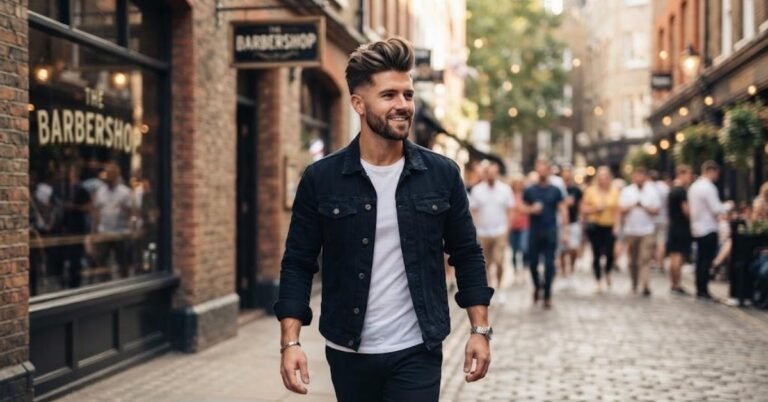
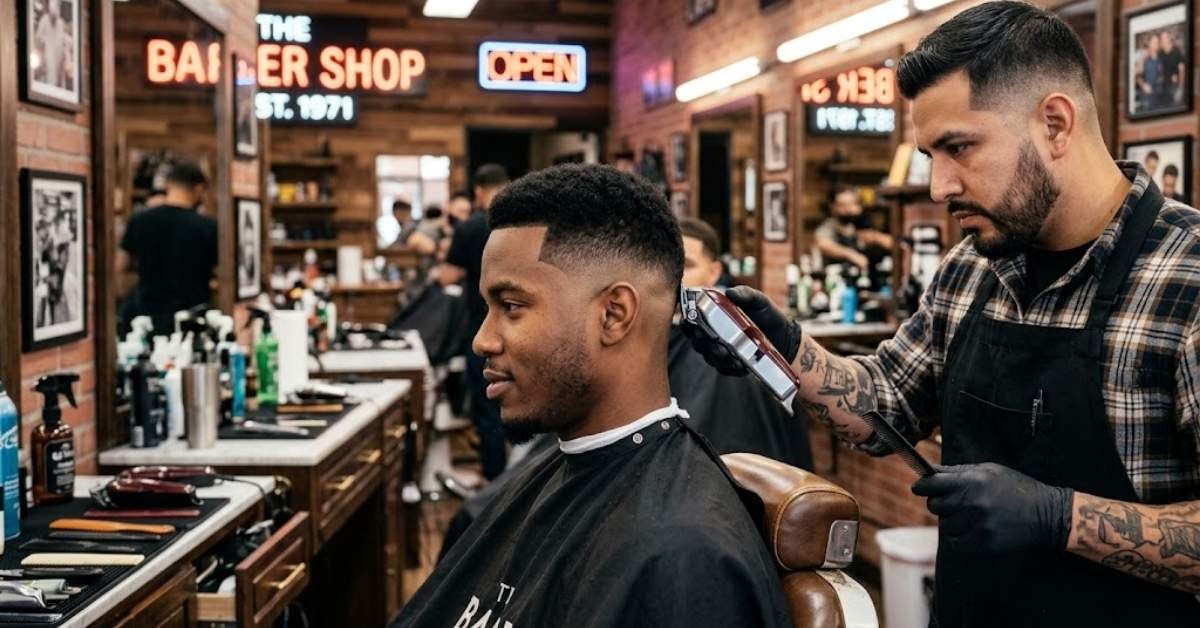
If you want a fade that looks sharp without going to extremes, the mid burst fade is probably the answer. It sits in the sweet spot between a subtle low fade and a bold high fade, curving around the ear instead of running in a straight line down the side of the head. That curved shape is what gives the cut its name, and it’s why barbers reach for it so often when a client just says “give me a fade.”
In this guide, you’ll find 28 mid burst fade variations for every hair type and face shape, a breakdown of how the cut compares to low and high burst fades, styling and maintenance advice, product recommendations, and answers to the questions men ask most often before sitting in the barber’s chair.
What Is a Mid Burst Fade Haircut?
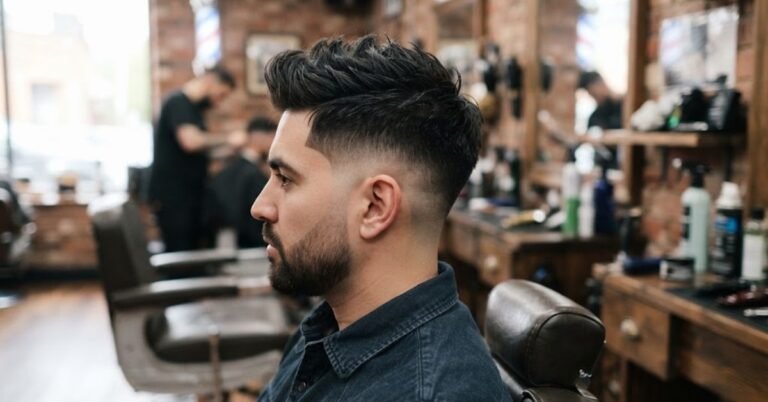
A mid burst fade is a haircut where the hair fades from longer to shorter in a semi-circular pattern that curves around the ear, rather than fading in a straight vertical line the way a traditional taper does. The word “burst” refers to that rounded, radial shape. The word “mid” tells your barber where the fade should start on the side of the head, roughly halfway between the top of the ear and the crown.
Because the fade wraps around the ear instead of running straight back, it frames the face and creates a rounded contour that most traditional fades don’t offer. The top can stay short, medium, or long, which is part of why this cut pairs so easily with buzz cuts, pompadours, mohawks, and even mullets.
A mid burst fade sits between two other common heights:
- Low burst fade: starts just above the ear, offering a softer transition.
- Mid burst fade: starts around the middle of the side of the head, offering balanced contrast.
- High burst fade: starts near the temple or higher, offering the boldest, most dramatic look.
Why the Mid Burst Fade Is Still Popular in 2026
The mid burst fade has stuck around for a simple reason: it works on more heads than almost any other fade height. It’s noticeable enough to look intentional and groomed, but it doesn’t demand the daily upkeep or bold commitment that a high or skin fade does.
A few reasons this cut keeps trending heading into 2026:
- It flatters a wide range of face shapes, including oval, square, round, and heart-shaped faces, because the curved line around the ear softens angles instead of exaggerating them.
- It adapts to nearly any hair type, from tight curls and coily afro texture to poker-straight hair, since the fade technique doesn’t depend on how the top is styled.
- It works with almost any top length, so you can pair it with a two-inch textured crop or grow it out into a mullet without changing the fade itself.
- It grows out gracefully. Because the transition is gradual rather than a hard skin line, a mid burst fade doesn’t look as rough between barber visits as a high or bald fade does.
- It suits both casual and professional settings, which matters more now that workplaces have relaxed grooming expectations but still expect a tidy appearance.
Who Should Try a Mid Burst Fade Haircut?
The honest answer is that most men can wear a mid burst fade comfortably. It’s often described as a “barber default” because it’s the safest starting point when someone isn’t sure what fade height to ask for. That said, a few groups tend to get the most out of it.
It’s a strong pick if you:
- Want noticeable contrast without going as extreme as a high or skin fade
- Have curly, wavy, coily, or straight hair, since the technique isn’t texture-dependent
- Have an oval, square, or heart-shaped face and want the fade to soften rather than sharpen your features
- Are new to fades and want a style that’s forgiving as it grows out
- Want a cut that works for school, work, and weekends without needing to change it
Quick Decision Guide
Use this simple checklist if you’re still deciding between fade heights:
- Choose low burst fade if you want subtle contrast and a first-timer-friendly cut.
- Choose mid burst fade if you want balanced contrast that works for most hair types and face shapes.
- Choose high burst fade if you want maximum contrast and don’t mind more frequent trims.
- Choose a longer top (textured crop, fringe, or mullet) if you want the fade to feel like a supporting detail rather than the main feature.
- Choose a shorter top (buzz cut or crop top) if you want low daily maintenance and a clean, structured look.
28 Mid Burst Fade Styles for a Fresh New Look
Here are 28 ways to wear a mid burst fade in 2026, covering different top lengths, textures, and finishing touches so you can find the version that matches your hair and lifestyle.
1. Classic Mid Burst Fade
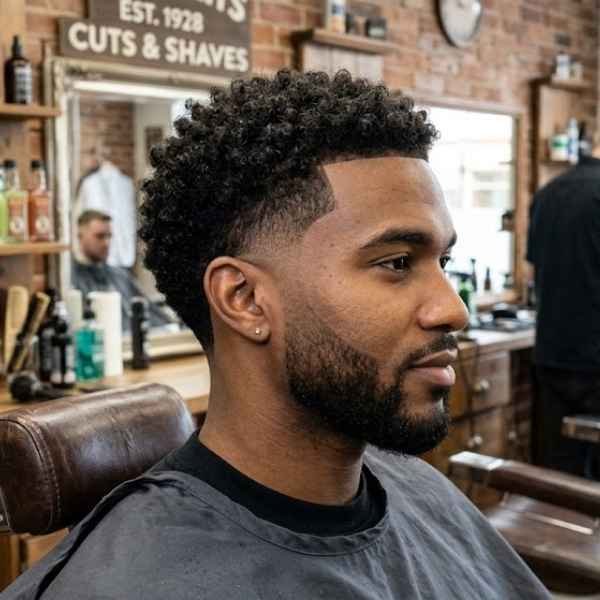
The classic version keeps the fade simple and evenly blended, with a moderate length on top that’s brushed forward or left slightly textured. It’s the go-to option if you want a clean, timeless look that never feels dated.
2. Modern Mid Burst Fade
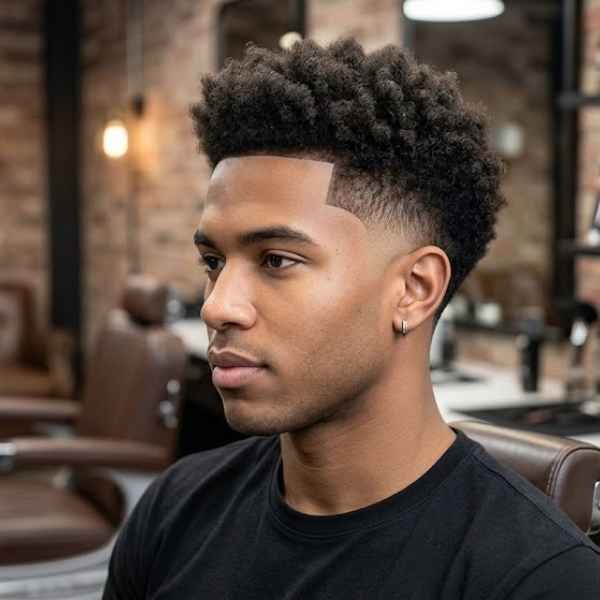
This take adds sharper contrast and a more defined curve around the ear, often finished with a slightly disconnected top. It suits guys who want a fade with a bit more edge without going overboard.
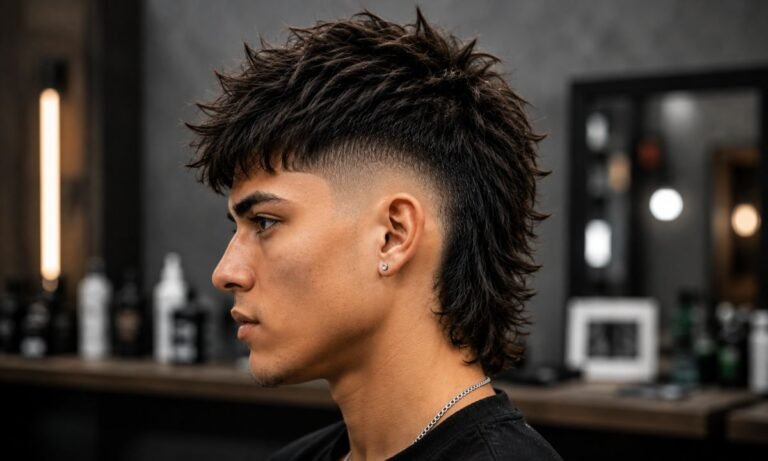
3. Mid Burst Fade Mullet
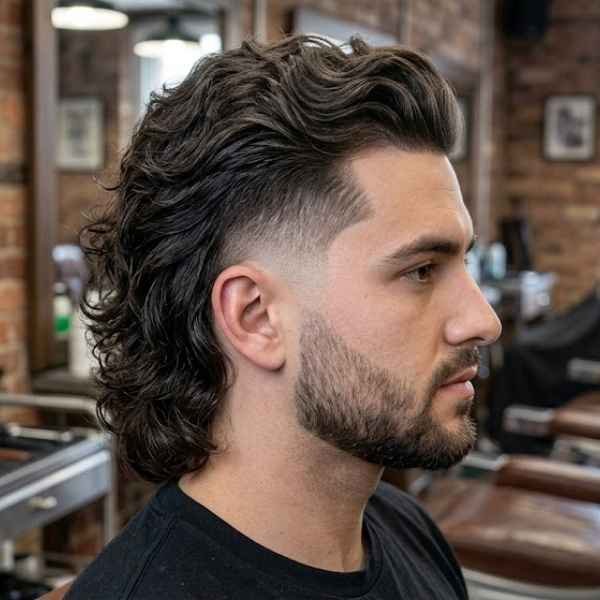
Short, faded sides meet longer hair left to grow at the back. The burst curve keeps the sides tidy while the back does all the talking, making this a bold choice for anyone who wants a retro-modern statement.
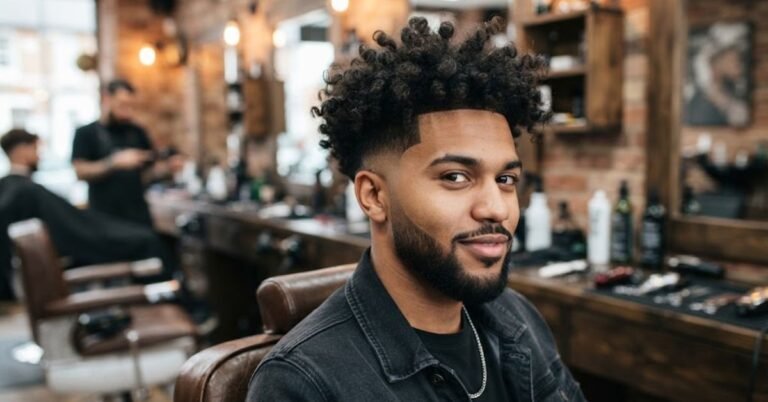
4. Curly Mid Burst Fade
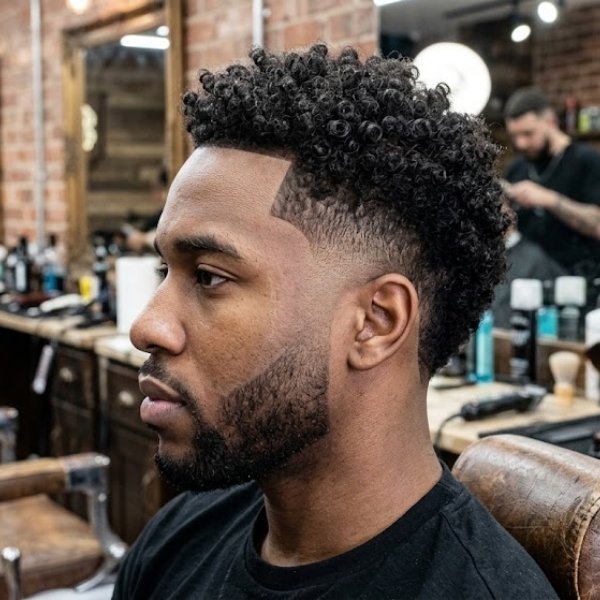
The rounded burst shape complements natural curl patterns beautifully, framing the curls instead of competing with them. A curl cream or leave-in conditioner helps define each curl while the fade stays crisp underneath.
5. Wavy Mid Burst Fade
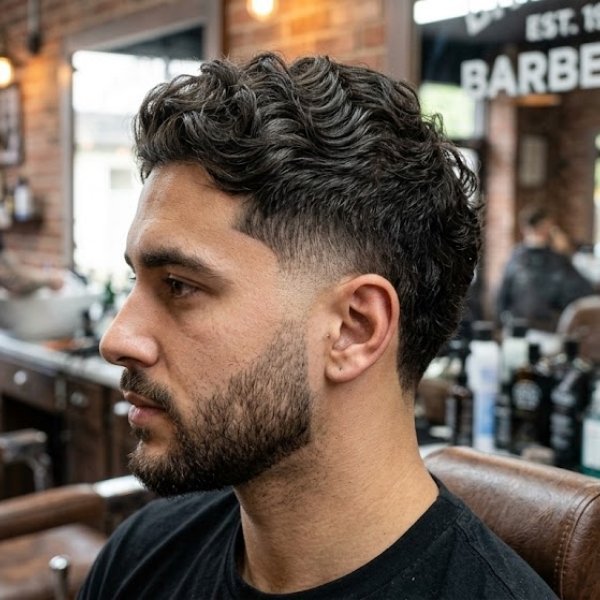
Wavy hair gets extra movement from this pairing, especially when the top is left long enough to show the wave pattern. A light sea salt spray brings out natural texture without weighing the hair down.
6. Straight Hair Mid Burst Fade
Straight hair holds a sharper, cleaner line, which makes the burst curve look especially crisp. A matte clay or light pomade adds control without unwanted shine.
7. Textured Mid Burst Fade
Choppy, layered texture on top gives this style a lived-in, low-effort feel while the fade underneath keeps everything looking intentional. It’s a favorite for guys who want an edgy finish that still reads as polished.
8. Messy Mid Burst Fade
A deliberately undone, tousled top pairs with the neat fade for a contrast of controlled versus carefree. Scrunch in a light texture powder or paste and let the hair fall naturally.
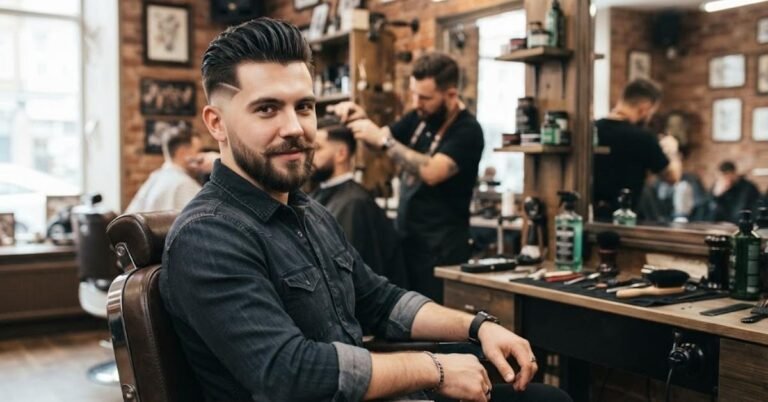
9. Mid Burst Fade with Beard
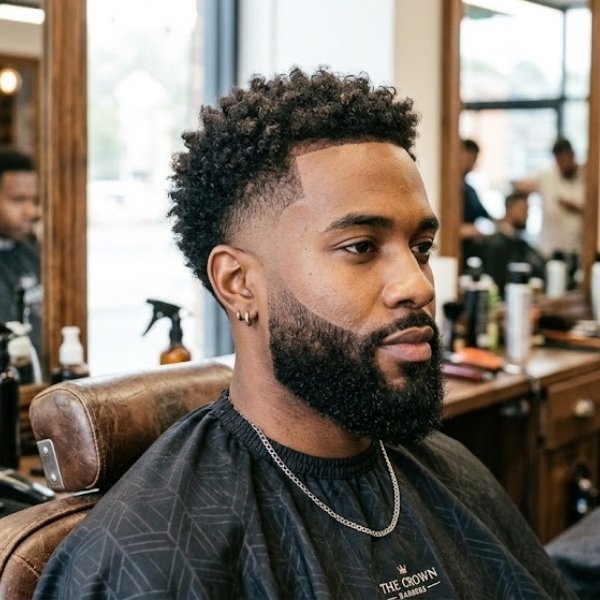
Blending the fade into a well-groomed beard creates a seamless, structured look from ear to jawline. Ask your barber to taper the sideburns directly into the beard line so there’s no visible gap.
10. Mid Burst Fade with Side Part
A crisp, defined part on top adds a more polished, dressed-up feel that works well for office settings. A fine-tooth comb and a light-hold pomade keep the part sharp throughout the day.
11. Mid Burst Fade Pompadour
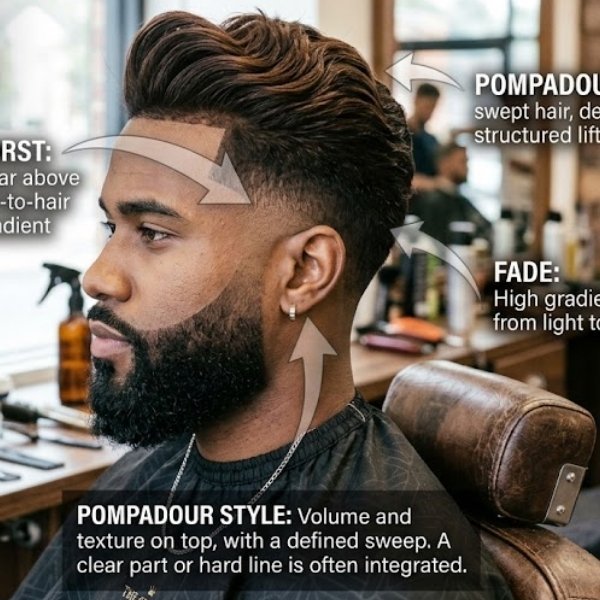
Volume and height at the front pair naturally with the curved fade beneath, creating a look that’s equal parts vintage and current. Blow-dry the front section upward, then set it with a strong-hold pomade.
12. Mid Burst Fade Comb Over
A longer top swept to one side gives this variation a smart, versatile finish that suits both casual and formal occasions. Use a cream or light gel to hold the direction without stiffness.
13. Mid Burst Fade Slick Back
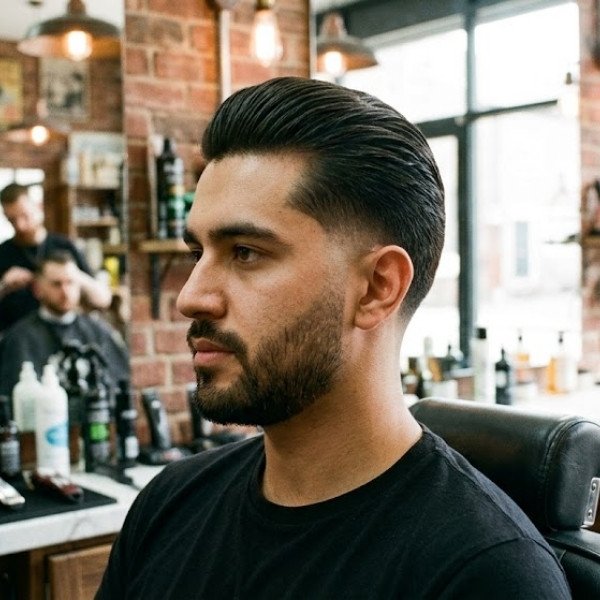
All the hair on top is combed straight back for a sleek, refined look that shows off the fade’s clean curve. A pomade with strong shine works best for this finish.
14. Mid Burst Fade Fringe
A forward-falling fringe softens the face and can help disguise a receding hairline or uneven hairline. It pairs especially well with oval and rectangular face shapes.
15. Mid Burst Fade Crop Top
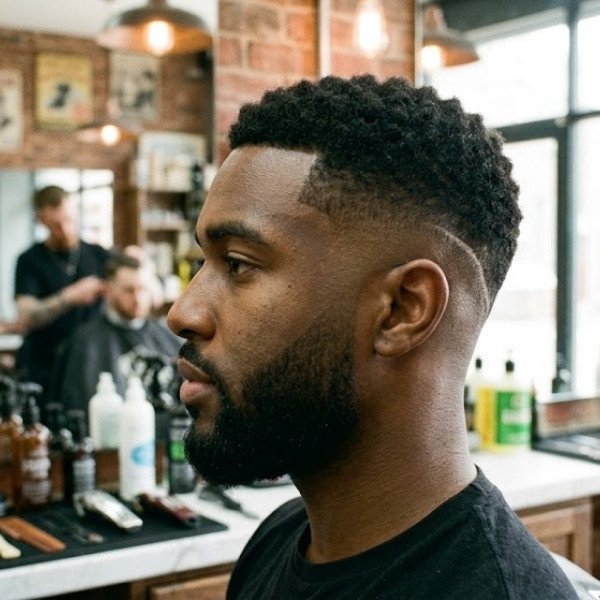
A short, textured crop sits neatly above the fade for a low-maintenance style that still looks deliberate. This is one of the easiest versions to maintain day to day.
16. Mid Burst Fade Mohawk
Longer hair down the center of the head contrasts sharply with the shaved and faded sides, curving around the ear for a bold, structured silhouette. Style with gel or a fiber cream for defined spikes, or leave it more natural for a softer hawk.
17. Mid Burst Fade Faux Hawk
A softer version of the mohawk, the faux hawk keeps some length on the sides while still lifting the center. It’s a good middle ground for guys who like the mohawk shape but want something more subtle for everyday wear.
18. Mid Burst Fade with Design
A razor-etched line or pattern is added within the fade itself for a personalized, eye-catching detail. Simple lines tend to age better than intricate designs since they’re easier to maintain as hair grows.
19. Mid Burst Fade Buzz Cut
Uniform length on top pairs with the burst fade for a clean, structured, almost military-inspired look. It’s one of the lowest-maintenance combinations on this list.
20. Mid Burst Fade Undercut
A more disconnected transition between the top and sides gives this version sharper contrast than the classic blend. It works especially well with thick or dense hair that can hold its shape.
21. Mid Burst Fade for Thick Hair
Thick hair holds volume and shape naturally, so the fade can be cut a bit closer without looking harsh. This combination gives strong visual contrast between the dense top and the faded sides.
22. Mid Burst Fade for Thin Hair
For thinner hair, keeping slightly more length on top and avoiding a skin-level fade helps prevent the scalp from showing through. Texturizing sprays or fibers can add the appearance of extra density.
23. Mid Burst Fade Afro Style
The fade removes bulk around the ear while the natural afro texture keeps its height and shape on top. Getting the proportion right is key, since too much fade can make the top look disconnected.
24. Mid Burst Fade Long Top
Several inches of length on top can be styled forward, swept back, or left loose, while the fade keeps the sides controlled. This version needs a bit more daily styling time but offers the most versatility.
25. Mid Burst Fade Taper Blend
A softer, more gradual blend between the top and the fade creates a subtler transition than the classic burst curve. It’s a good option if you want the rounded shape without as much visible contrast.
26. Mid Burst Fade for Teen Boys
A shorter top with a clean mid burst fade is a popular pick for school-age guys because it’s trendy, easy to maintain, and grows out without looking messy between cuts. It also tends to be one of the more affordable, low-fuss requests at the barbershop.
27. Mid Burst Fade with Spiky Hair
Short, gelled spikes on top add height and energy, contrasting with the smooth curve of the fade below. This works best on hair that’s been recently trimmed to a shorter length on top.
28. Low Maintenance Mid Burst Fade
For guys who want the look without the daily styling routine, a slightly grown-out fade paired with a simple, air-dried top delivers a clean result with almost no upkeep. This version still needs a trim every few weeks to keep the fade from growing out unevenly.
How to Ask Your Barber for a Mid Burst Fade Haircut
Getting the result you picture starts with clear communication. Barbers interpret the word “fade” differently depending on where you’re getting your hair cut, so being specific matters more than it might seem.
Step 1: Say “Mid Burst Fade” and Point to Where You Want It to Start
Don’t just ask for “a fade.” Specifically say “mid burst fade” and point to a spot roughly halfway between your ear and the crown of your head to show where you want the fade to begin.
Step 2: Describe the Top Length You Want
Tell your barber whether you want the top short, medium, or long, and mention any specific style you have in mind, like a crop, pompadour, or mullet. This helps them decide how much length to leave in each section.
Step 3: Mention Your Hair Texture
Let your barber know if your hair is straight, wavy, curly, or coily, since texture affects how the fade blends and how the top will fall once it’s styled.
Step 4: Decide on Fade Contrast
Ask for either a soft, gradual blend or a sharper, more defined line, depending on how much contrast you want between the fade and the top. A softer blend is more forgiving as it grows out.
Step 5: Bring a Reference Photo
Photos remove the guesswork. Bring one from the front, side, and back if possible, since the burst curve is easiest to explain visually rather than describing it in words alone.
Step 6: Ask What Maintenance Looks Like for Your Hair
Every hair type grows out differently. Ask your barber how often you’ll need to come back for a touch-up based on how fast your hair grows and how tight the fade is.
How to Maintain a Mid Burst Fade Haircut
A mid burst fade looks its best when it’s kept fresh, so a bit of routine care goes a long way between barber visits.
Daily Hair Care Tips
- Wash with a gentle, sulfate-free shampoo two to three times a week to avoid drying out your scalp.
- Condition regularly if you have curly or coily hair, since the fade area can look uneven if the top becomes dry and frizzy.
- Avoid touching or restyling the faded sides too often, since natural oils from your hands can leave them looking greasy.
- Book a touch-up every two to three weeks to keep the burst curve looking sharp and prevent it from blending into a regular fade as it grows out.
Best Styling Routine
- Start with clean, towel-dried hair rather than fully dry hair, since product distributes more evenly on slightly damp strands.
- Apply a small amount of your chosen product, working it through with your fingers rather than a comb for a more natural finish.
- Use a blow-dryer on a low heat setting if you want extra lift or volume on top.
- Finish with a light-hold spray if you want your style to hold through a long day without feeling stiff.
Best Hair Products for a Mid Burst Fade Haircut
The right product depends on the top style you’re pairing with your fade, but a few categories cover most needs.
Pomades for a Sleek Look
Pomades are ideal for slick backs, side parts, and comb overs, since they offer strong hold and a smooth, controlled shine. Water-based formulas are easier to wash out and won’t build up as quickly as oil-based versions.
Texture Powders for Volume
Texture powders are best for thin or fine hair that needs a lift without extra weight. A small amount worked into the roots can make the top look fuller and give it more grip for styling.
Hair Sprays for Hold
Light-hold sprays work well for messy, textured, or spiky finishes where you want the style to stay in place without looking stiff or crunchy. Save stronger-hold sprays for mohawks or faux hawks that need to stand up all day.
Mid Burst Fade vs Low Burst Fade: What’s the Difference?
The main difference between these two comes down to where the fade starts and how much contrast it creates. A low burst fade begins just above the ear, making it a subtle, beginner-friendly option that’s easier to grow out without needing frequent trims. A mid burst fade starts higher, roughly at the midpoint of the side of the head, which creates more visible contrast and a bolder overall shape.
Mid Burst Fade vs Low Burst Fade Comparison
| Feature | Mid Burst Fade | Low Burst Fade |
| Starting point | Middle of the side of the head | Just above the ear |
| Contrast level | Moderate to high | Subtle |
| Best for | Most hair types and face shapes | First-timers and conservative styles |
| Maintenance frequency | Every two to three weeks | Every three to four weeks |
| Grow-out appearance | Fairly gradual | Very gradual, forgiving |
Which Burst Fade Style Is Better?
Neither option is objectively better since it depends on how much contrast you want and how often you’re willing to visit the barber. If you want a fade that’s noticeable without being loud, the mid burst fade is usually the better fit. If you’re new to fades or prefer a lower-maintenance schedule, the low burst fade is the safer starting point.
Mid Burst Fade vs High Burst Fade: What’s the Difference?
A high burst fade starts near the temple or higher, removing significantly more hair from the sides and creating the boldest contrast of the three heights. It pushes the eye upward and works especially well for round faces that benefit from added vertical length, but it also grows out faster and needs touch-ups roughly every two weeks to stay sharp.
A mid burst fade sits in between, offering enough contrast to look intentional and groomed without demanding the same level of upkeep. It’s generally considered the more versatile choice, while the high burst fade is better suited to guys who want a louder, more dramatic look and don’t mind the extra barbershop visits that come with it.
Common Mistakes to Avoid with a Mid Burst Fade Haircut
A mid burst fade is fairly forgiving, but a few avoidable mistakes can throw off the whole look.
Choosing the Wrong Fade Height
Picking a fade height that doesn’t suit your face shape or hair density is one of the most common issues. If you’re unsure, ask your barber for their recommendation based on your head shape rather than choosing a height purely from a photo.
Ignoring Hair Texture
Curly, straight, and coily hair all blend differently at the fade line, so a technique that works well on one texture might look uneven on another. Always mention your hair type before your barber starts cutting.
Skipping Regular Maintenance
Waiting too long between trims lets the burst curve blur into a regular fade, and the clean line around the ear starts to disappear. A touch-up every two to three weeks keeps the shape looking fresh.
FAQs
What is a mid burst fade? It’s a haircut where the fade curves around the ear starting at the midpoint of the side of the head, creating a rounded, radial transition instead of a straight line.
How often do I need to get a mid burst fade trimmed? Most guys need a touch-up every two to three weeks to keep the fade line sharp and prevent it from blending into a longer, less defined shape.
Does a mid burst fade work with curly hair? Yes, the curved shape actually frames curls well and is one of the most popular choices for curly and coily hair types.
Is a mid burst fade good for a round face? Yes, though adding some height or volume on top helps balance the roundness better than keeping the top very short.
What’s the difference between a burst fade and a regular fade? A regular fade runs in a straight vertical line down the side of the head, while a burst fade curves around the ear in a semi-circular shape.
Can I get a mid burst fade with a beard? Yes, and blending the fade directly into a well-groomed beard is one of the most requested combinations at barbershops.
Is a mid burst fade low maintenance? It’s moderate maintenance compared to high or skin fades, generally needing a trim every two to three weeks depending on how fast your hair grows.
What top length works best with a mid burst fade? Any length works, from a short buzz cut to a longer mullet, since the fade technique doesn’t depend on how the top is styled.
Conclusion
The mid burst fade earns its popularity by being flexible. It suits nearly every hair texture and face shape, pairs with dozens of top styles, and strikes a balance between bold contrast and easy upkeep that few other fades manage.
Whether you’re drawn to a classic, clean version or want to experiment with a mohawk, mullet, or design detail, the 28 styles above give you plenty of starting points to bring to your next barber appointment. Come prepared with a reference photo, be clear about your top length and hair texture, and keep up with regular trims, and this cut will stay sharp well beyond 2026.